 how-to
Ethical Dairy Farming Practices Explained: A 2026 Guide
Table of Contents
- What Ethical Dairy Farming Actually Means
- Humane Dairy Farming Practices You Can Verify
- Dairy Cow Welfare Standards: Certifications and Labels Compared
- Cow-Calf Management: The Trade-Offs Behind the Labels
- Responsibly Sourced Milk and Cheese: What Sourcing Should Include
- How to Choose Ethical Cheese at the Counter
- Where Ethical Dairy Farming Still Divides People
- Frequently Asked Questions
Last Updated: October 17, 2026
What Ethical Dairy Farming Actually Means
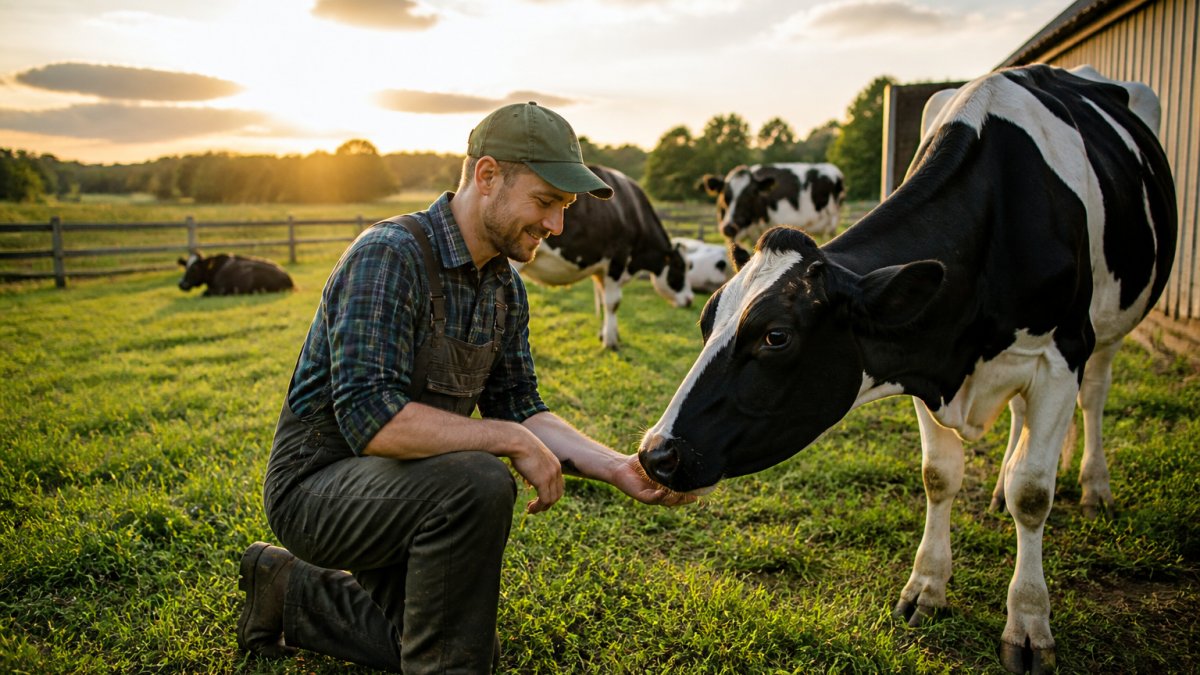
Ethical dairy farming is the practice of raising dairy cows and goats in ways that meet their physical, social, and behavioral needs while running a viable farm.
The stakes are bigger than most shoppers realize. According to USDA Economic Research Service's 2026 report on dairy farm structure, the number of U.S. dairy herds fell 63%, from 66,825 in 2004 to 24,811 in 2024.
This guide explains what ethical dairy farming practices actually involve and how to check them yourself.
The Five Areas That Decide Whether a Farm Qualifies
A farm's ethical standing rests on five pillars:
- Animal welfare - respectful handling, low stress, no routine cruelty
- Nutrition and water - clean water and a balanced diet every day
- Housing and space - comfortable living conditions with room to move
- Health care - veterinary care, careful antibiotic use, no growth hormones
- Environment and people - land management and fair treatment of farm workers
Miss any one of these and the label "ethical" starts to wobble.
Humane Dairy Farming Practices You Can Verify
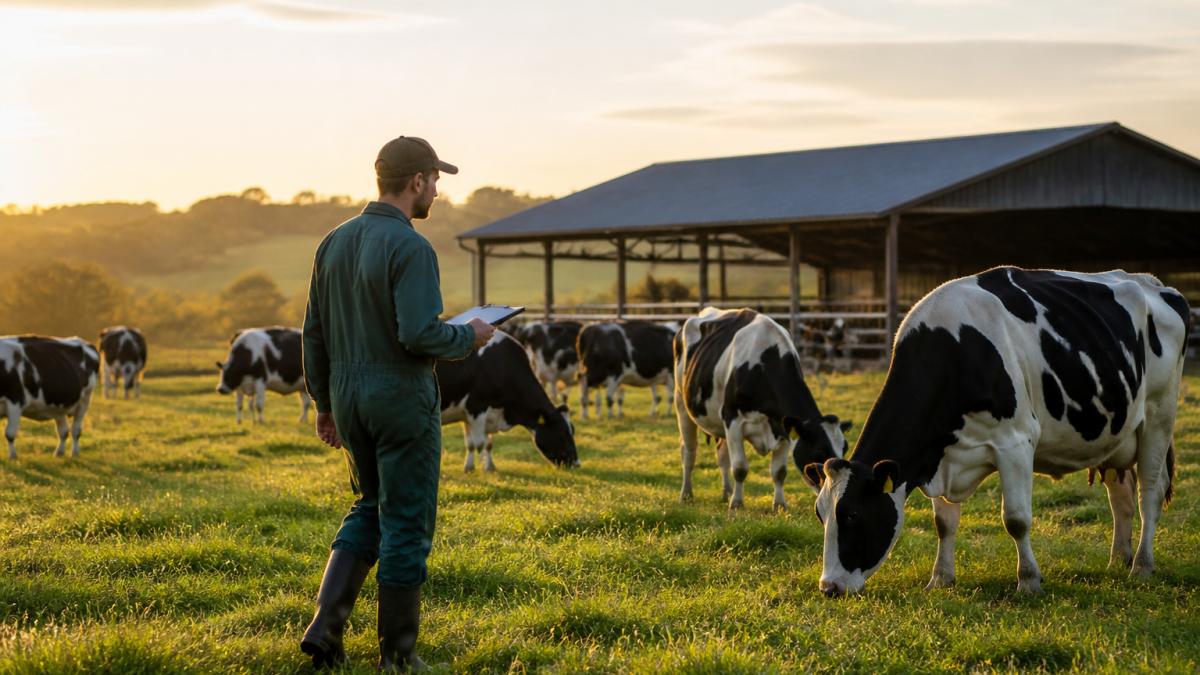
Humane dairy farming practices are the day-to-day routines that keep cows healthy and calm. Researchers publishing in the Journal of Dairy Science found that people's view of an ideal dairy farm reflects concern for animals alongside economic, social, and environmental factors.
Here's what those routines look like in practice.
A Practical Farm-Audit Checklist
Use this list when you visit a farm or read a supplier's claims:
- Cows have clean water available at all times
- A balanced diet is set with a nutritionist
- Housing is dry, ventilated, and bedded
- Cows have space to move and, where possible, pasture access
- Herd mates stay together to support socialization
Ask for the records. A farm that tracks these items can usually show them.
Dairy Cow Welfare Standards: Certifications and Labels Compared
Dairy cow welfare standards vary widely, and a single label rarely covers everything. Some certify pasture access, others cover organic feed, and some focus only on handling. No single seal proves a farm is ethical across all five pillars, but the major programs differ in ways a buyer can actually check.
What the Main Label Types Require, and What They Miss
| Label type | What it typically requires | What it may not guarantee |
|---|---|---|
| USDA Organic | Certified organic feed, no synthetic pesticides or fertilizers on pasture, no growth hormones, outdoor access with specified minimums, organic health-care rules | Detailed animal-welfare audits, lameness or injury thresholds, calf-rearing specifics |
| Third-party animal-welfare certification | Written welfare standards covering housing, space allowance, handling, and painful-procedure rules; on-farm audits | Environmental practices, feed origin, worker conditions |
| Grass-fed / pasture-based claims | Forage-based diet and pasture access for a defined portion of the year | Health care, calf care, housing quality, stocking density |
| Farm-direct or maker claims | Whatever the farm or creamery states | Independent verification of any kind |
Two practical points follow. First, organic and animal-welfare certifications answer different questions; a farm can hold one and not the other, and the combination tells you more than either alone. Second, a farm-direct claim is only as strong as the farm's willingness to show records.
Measurable Welfare Indicators Beat Badges
Vague claims like "happy cows" cannot be audited. The indicators that can be are the ones welfare auditors and veterinarians actually use:
- Lameness rate. The share of the milking herd visibly lame at a given time. Herd-level targets in the low single digits are commonly cited as good performance; higher rates point to housing, flooring, or foot-care problems.
- Hock and knee injury scores. Swelling or lesions from lying on hard or wet surfaces. Scored on a simple scale during routine herd checks.
- Somatic cell count (SCC). A milk-quality and udder-health indicator reported on every bulk tank; lower counts generally indicate better mastitis control.
- Body condition score (BCS). A 1-5 scale assessing fat cover; both very thin and very fat cows signal nutrition or health problems.
- Mortality and cull rates. High involuntary culling or death loss is a red flag for health management.
- Time outdoors and lying time. Measured in hours per day; lying time that is too low or too high points to stall or bedding issues.
Ask a farm or maker which of these it tracks and whether it will share the numbers. A farm that tracks them can usually produce a summary; a farm that does not is relying on narrative.
Where Public and Farmer Views Diverge
A 2026 study in Agriculture and Human Values compared public and farmer views on socially sustainable dairy and found the two groups weigh these issues differently, shoppers tend to weight animal-welfare and environmental concerns more heavily, while farmers weigh economic viability and labor. That gap is exactly why reading the fine print beats trusting a badge, and why asking for indicator data beats asking for a logo.
Cow-Calf Management: The Trade-Offs Behind the Labels
Cow-calf separation is the hardest topic in dairy, and no label settles it.
What the labels do and do not say matters here. Organic certification governs feed, pasture access, and prohibited substances; it does not prescribe separation timing. Animal-welfare certification programs typically set minimum age or handling requirements for calves but vary on whether extended dam contact is required, encouraged, or merely permitted.
The Main Management Options
Practitioners generally describe four approaches, each with real trade-offs:
- Immediate separation (within hours). The conventional default. Easiest to manage for colostrum feeding, disease control, and parlor logistics. Highest documented stress response at separation; lowest labor cost.
- Short delayed separation (roughly 1-3 days). The calf stays with the dam long enough for early colostrum intake and some bonding, then moves to individual or group housing. Modest added labor and pen space; some farms report calmer calves at weaning.
- Extended contact (weeks to weaning). Calves run with dams part-time or full-time. Associated in practitioner experience with better calf growth and fewer health events in some herds, but it complicates milking schedules, requires separate calf-safe pasture or pens, and can reduce saleable milk if calves nurse.
- Dam-rearing or nurse-cow systems. A subset of dams or dedicated nurse cows raise multiple calves. Lowest labor per calf once established, but hard to scale, harder to audit, and it removes those dams from the milking string for the rearing period.
What the Evidence Actually Supports
The honest summary is that the evidence is mixed and context-dependent. Extended-contact systems are associated with improved calf welfare indicators in several studies, but results vary with housing, group size, and weaning method, and the economic case depends on milk price, labor availability, and facility layout. There is no free option: every approach trades some combination of calf health risk, cow stress, labor hours, and milk revenue.
Questions That Reveal a Farm's Real Practice
- How many hours after birth is the calf removed, and who decides?
- Is colostrum fed by bottle, tube, or dam, and within what window?
- Are calves housed individually or in pairs/groups, and at what age do they group?
- If extended contact is used, is it full-time or part-time, and how is weaning handled?
- What is the farm's calf mortality rate and pre-weaning treatment rate?
A farm that can answer these with numbers is a farm that is actually managing the issue rather than describing it.
Responsibly Sourced Milk and Cheese: What Sourcing Should Include
Responsibly sourced milk and cheese means the buyer can trace milk to specific farms and confirm how those animals were raised.
The Dairy Farmers of America guidance on ethical dairy lists water recycling and manure management among common sustainability practices. Note that it gives no adoption rate, so treat such claims as a starting point, not proof.
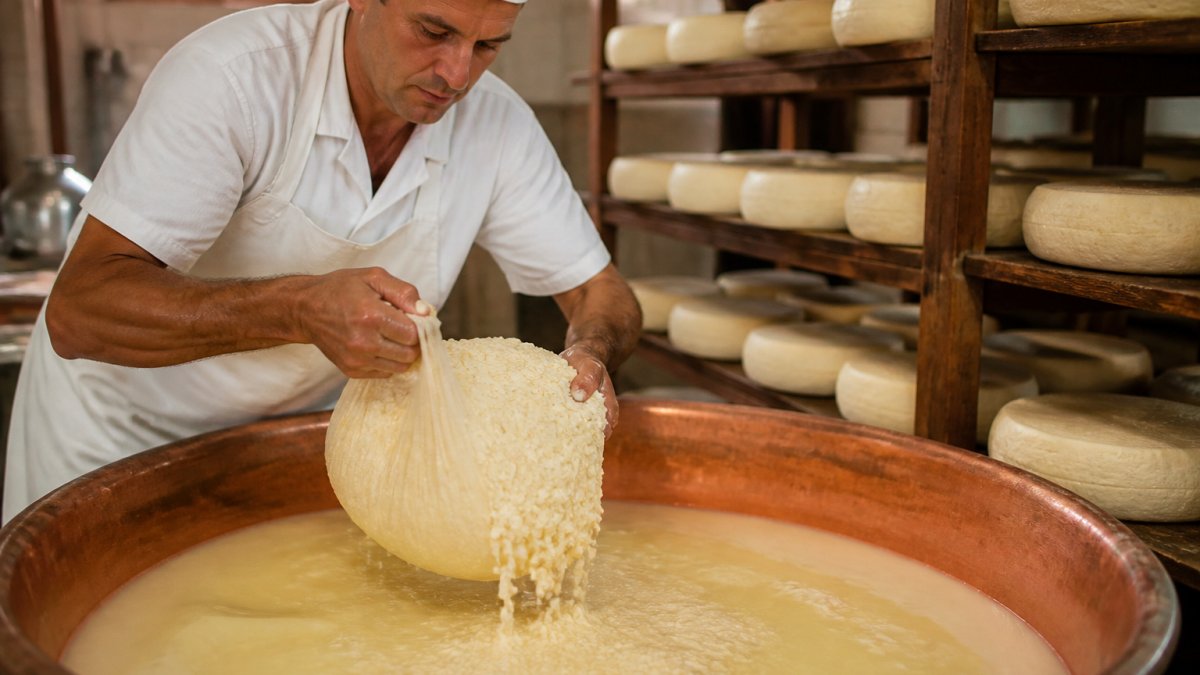
For cheese specifically, sourcing should also cover milk quality and how quickly fresh milk moves from farm to vat.
How to Choose Ethical Cheese at the Counter
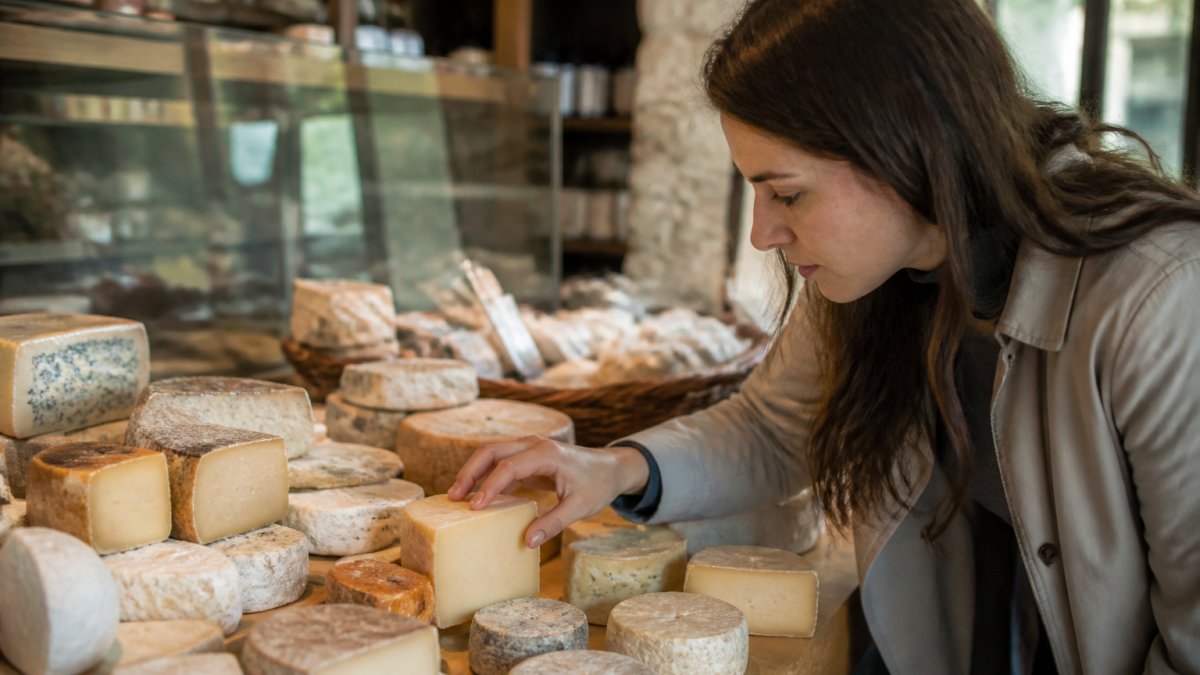
Knowing how to choose ethical cheese comes down to asking better questions than the label invites. Start with these:
- Ask where the milk comes from. A named farm beats a vague region.
- Ask about animal feed and pasture access. "Grass-fed" alone doesn't cover welfare.
- Ask how calves are managed. The answer reveals a farm's real priorities.
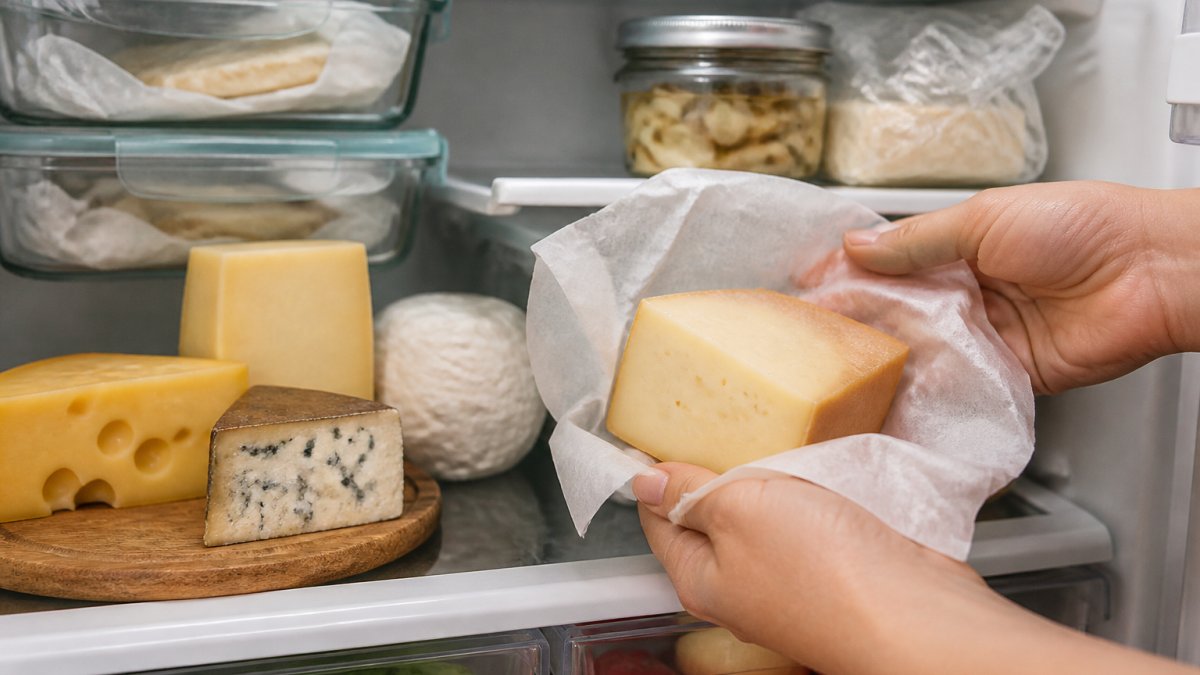
- Check the make date and storage. Fresh cheese should be cold and recently made.
- Prefer makers who answer plainly. Evasion is a red flag.
At Mozzarella Company, we craft more than forty varieties by hand using fresh milk and fine local ingredients. We're happy to talk through what goes into them.
Where Ethical Dairy Farming Still Divides People
Not everyone agrees that welfare-friendly dairy is ethical at all. The Animal Justice Project argues that dairy farming involves practices it considers cruel, including animal slaughter, and says organic farms are not necessarily safer for animals.
That view deserves a fair hearing. A 2022 PMC review of smart dairy farming notes that participants in a U.S. dairy study weighed social, economic, and environmental factors together, not animal welfare alone.
The honest position: ethical dairy farming reduces harm and improves animal lives, but it does not resolve every disagreement. Buyers should decide with clear eyes.
Frequently Asked Questions
What are the ethical practices within the dairy industry?
Ethical dairy farming centers on animal welfare, environmental stewardship, and worker treatment. In practice that means respectful handling, clean water and proper nutrition, comfortable housing with space to move, veterinary care, and stress reduction during milking. Water reuse and manure management are common sustainability practices on dairy farms, according to DFA. Researchers publishing in the Journal of Dairy Science found that people's view of an ideal dairy farm reflects concern for animals alongside economic, social, and environmental considerations. Ask a farm how it documents each of these areas rather than relying on a single label.
What is the difference between humane dairy farming and conventional dairy farming?
The difference is usually in the details, not the category. Humane dairy farming practices set explicit standards for space, pasture access, calf care, and handling, and submit to third-party verification. Conventional operations may meet basic health requirements without those added commitments. U.S. dairy farms have also grown larger on average, rising from 112 cows in 2000 to 283 in 2021 per USDA survey data, so scale alone tells you little about welfare. What separates the two is documented practice: who audits the farm, how often, and what happens when a standard is missed.
How can consumers assess animal welfare on a dairy farm?
Start with verifiable evidence. Ask which certification the farm holds, who audits it, and whether audit results are shared. Look for measurable welfare indicators: lameness rates, somatic cell counts for udder health, mortality records, and access to pasture. When choosing ethical cheese, ask the maker directly where the milk comes from and whether the farm is independently inspected. A 2026 paper in Agriculture and Human Values comparing public and farmer perspectives shows the two groups weigh social sustainability differently, so specific questions get better answers than broad claims about kindness.
What questions should I ask a cheesemaker about its milk supply?
Ask four things: which farms supply the milk, whether those farms are certified or audited and by whom, how calves are managed, and how the maker verifies claims year over year. For responsibly sourced milk and cheese, the answer should name a region or farm group rather than a vague promise. USDA data shows licensed U.S. dairy herds fell 63% between 2004 and 2024, from 66,825 to 24,811, so supply chains are consolidating and traceability questions matter more than ever. A maker who can answer in specifics is usually the one telling the truth.
Choosing cheese that matches your values takes more than reading a label, and that's exactly where we can help. Mozzarella Company has made award-winning, handmade cheese since 1982, with more than forty varieties crafted from fresh milk and fine local ingredients. If you want cheese you can feel good about serving, we'd love to help you find your favorites. Checkout »