 ultimate-guide
Best Cheese for Wine Pairing: A Complete Guide
Table of Contents
- How to Pair Wine and Cheese: Core Principles
- Wine and Cheese Pairing Chart: Quick Reference
- Best Cheese for White Wine
- Best Cheese for Red Wine
- Blue Cheese and Dessert Wine: A Classic Match
- Dietary-Specific and Budget-Friendly Pairings
- Building a Balanced Wine and Cheese Board
- Frequently Asked Questions
Last Updated: October 7, 2026
How to Pair Wine and Cheese: Core Principles
The best cheese for wine pairing is one that matches the wine's intensity, balances its acidity or tannins, and shares a complementary flavor profile. At Mozzarella Company, we have made handmade cheeses since 1982, and we have learned that successful wine pairing comes down to two variables: weight and balance. Get those right, and almost any combination works.
Below, we break down the core principles, then give you a quick-reference chart, specific cheese recommendations for white and red wines, and pairing options for lactose-free and budget-conscious tables.
Match Intensity and Weight
A light wine needs a light cheese. A heavy wine needs a heavy cheese. This is the single most useful rule in wine and cheese pairing, and it is the one most people skip.
Think of weight as the sensation of the food or drink on your palate. A fresh chevre is light. A aged gouda is heavy. A crisp sauvignon blanc is light. A cabernet sauvignon is heavy.
What most guides miss is that intensity is not the same as flavor strength. A cheese can be mild but rich, or sharp but thin. Match the overall mouthfeel, not just how loud the flavor is.
Balance Acidity, Tannins, and Sweetness
Acidity in wine cuts through the fat and creaminess of cheese. That is why a crisp, high-acid white works so well with a creamy brie or a triple-cream. The acid resets your palate between bites.
Tannins in red wine bind to protein and fat, which is why bold reds pair best with hard, aged cheeses rather than soft, fresh ones. A tannic wine against a delicate fresh cheese turns metallic and harsh.
Sweetness in wine, especially in dessert wines, contrasts with salty or sharp cheeses. The classic example is blue cheese with port or a late-harvest wine.
Wine and Cheese Pairing Chart: Quick Reference
Use this chart as a starting point. It maps wine style to the cheese category that works best, along with the pairing logic behind each match.
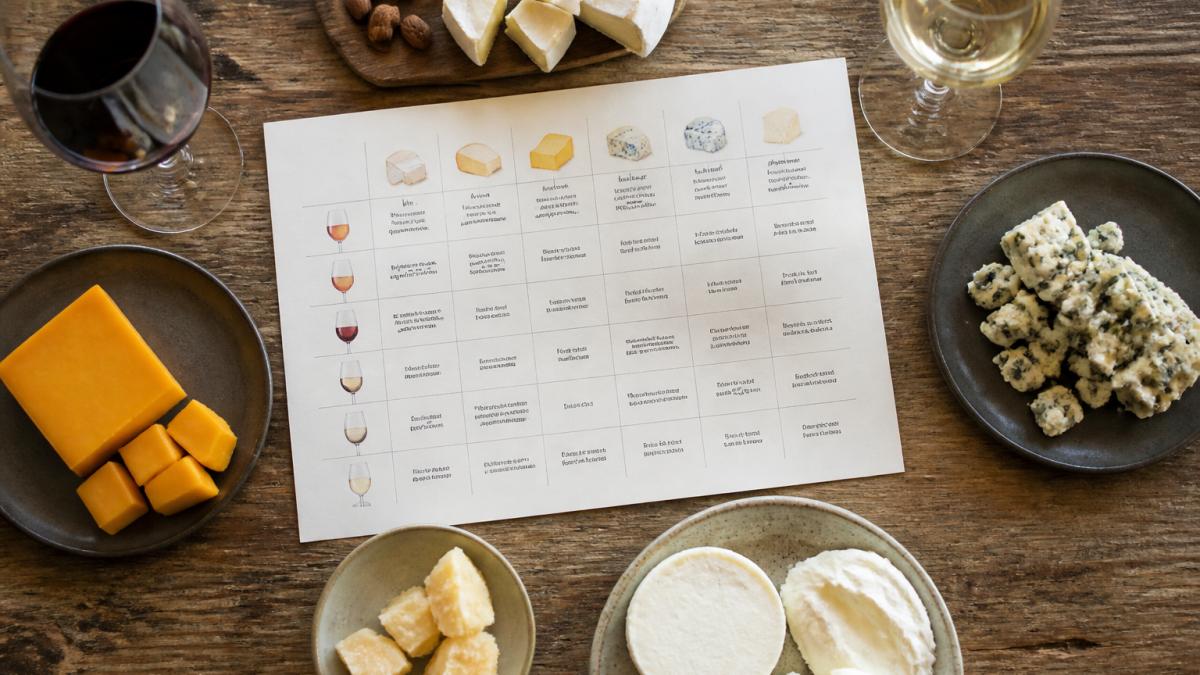
| Wine Style | Best Cheese Category | Why It Works |
|---|---|---|
| Crisp white (sauvignon blanc, albariño) | Fresh, tangy cheeses | Acidity cuts through creaminess |
| Oaked white (chardonnay) | Nutty aged whites | Buttery notes echo the cheese |
| Light red (pinot noir, beaujolais) | Semi-soft, mild cheeses | Low tannins won't clash |
| Bold red (cabernet, syrah) | Hard aged cheeses | Tannins bind to protein and fat |
| Dessert wine (port, sauternes) | Blue and salty cheeses | Sweetness contrasts with salt and funk |
Best Cheese for White Wine
The best cheese for white wine is a fresh, high-acid cheese for crisp whites and a nutty, aged cheese for oaked whites. White wines generally have higher acidity and lower tannins than reds, which makes them flexible partners for many cheese styles.
Fresh Cheeses and Crisp Whites
Crisp whites like sauvignon blanc, albariño, and dry riesling pair beautifully with fresh cheeses: chevre, feta, ricotta, and fresh mozzarella. These cheeses are high in moisture and mild in flavor, with a clean, milky, sometimes citric tang.
The pairing works because the wine's acidity mirrors the cheese's own acidity. Neither side dominates. Add a drizzle of olive oil and cracked pepper, and you have a pairing that needs nothing else.
Aged Whites and Nutty Cheeses
Oaked whites like chardonnay bring buttery, vanilla, and toasted notes. Match them with aged white-rind or Alpine-style cheeses that carry nutty, creamy, and slightly sharp flavors.
Gruyère, aged gouda, and comté are reliable choices here. The nutty notes in the cheese echo the oak in the wine, while the wine's body stands up to the cheese's density. This is where white wine pairing gets genuinely interesting.
Best Cheese for Red Wine
The best cheese for red wine depends on the wine's tannin level. Bold reds need hard, aged cheeses that can absorb tannins, while light reds pair with semi-soft, milder cheeses that won't fight the wine's delicate fruit.
Bold Reds and Hard Aged Cheeses
Cabernet sauvignon, syrah, and malbec are high in tannins. Pair them with hard, aged cheeses: aged cheddar, parmesan, manchego, and aged gouda. These cheeses are dense, salty, and often crystalline, and their protein and fat content softens the tannins on your palate.
The salt in aged cheese also tames the wine's astringency. A bite of aged cheddar followed by a sip of cabernet tastes smoother than the wine alone. That is not marketing; it is basic palate chemistry.
Light Reds and Semi-Soft Cheeses
Pinot noir, beaujolais, and other light reds have low tannins and bright red fruit. Pair them with semi-soft cheeses: muenster, fontina, young gouda, and semi-soft washed-rind styles. The cheese's creamy texture matches the wine's silky body, and the mild funk of a washed rind adds complexity without overwhelming the fruit.
Avoid heavy, tannic reds with these cheeses. The mismatch is the most common wine and cheese pairing mistake we see.
Blue Cheese and Dessert Wine: A Classic Match
Blue cheese and dessert wine is the most reliable contrasting pairing in the book. The salt and sharp funk of blue cheese meet the sweetness of port, sauternes, or a late-harvest riesling, and the contrast makes both taste more vivid.
The science is simple: sweetness softens saltiness, and salt amplifies sweetness. A bite of blue cheese makes the wine taste sweeter; a sip of the wine makes the cheese taste richer. Neither would be as good alone.
For a more approachable version, try a mild blue like gorgonzola dolce with a tawny port. For a bolder pairing, a sharp roquefort with a vintage port is the classic combination.
Dietary-Specific and Budget-Friendly Pairings
Most wine and cheese guides assume everyone eats dairy and can spend freely. That leaves out a lot of tables. Here is how to handle lactose-free, vegan, and budget-conscious pairings without losing the experience.
Lactose-Free and Vegan Options
Aged cheeses like parmesan, aged cheddar, and aged gouda are naturally very low in lactose because the aging process breaks most of it down. Many people who avoid lactose can enjoy these without issue. For a fully dairy-free table, plant-based cheeses made from cashews, almonds, or cultured nut bases pair well with the same wine logic: match intensity, balance acidity.
Affordable Wines and Cheeses That Deliver
You do not need a expensive bottle to eat well. Look for wines from less famous regions, and cheeses sold by weight rather than in pre-cut packages. A young gouda, a domestic brie, or a fresh chevre often costs less than a aged specialty cheese and pairs just as reliably.
Building a Balanced Wine and Cheese Board
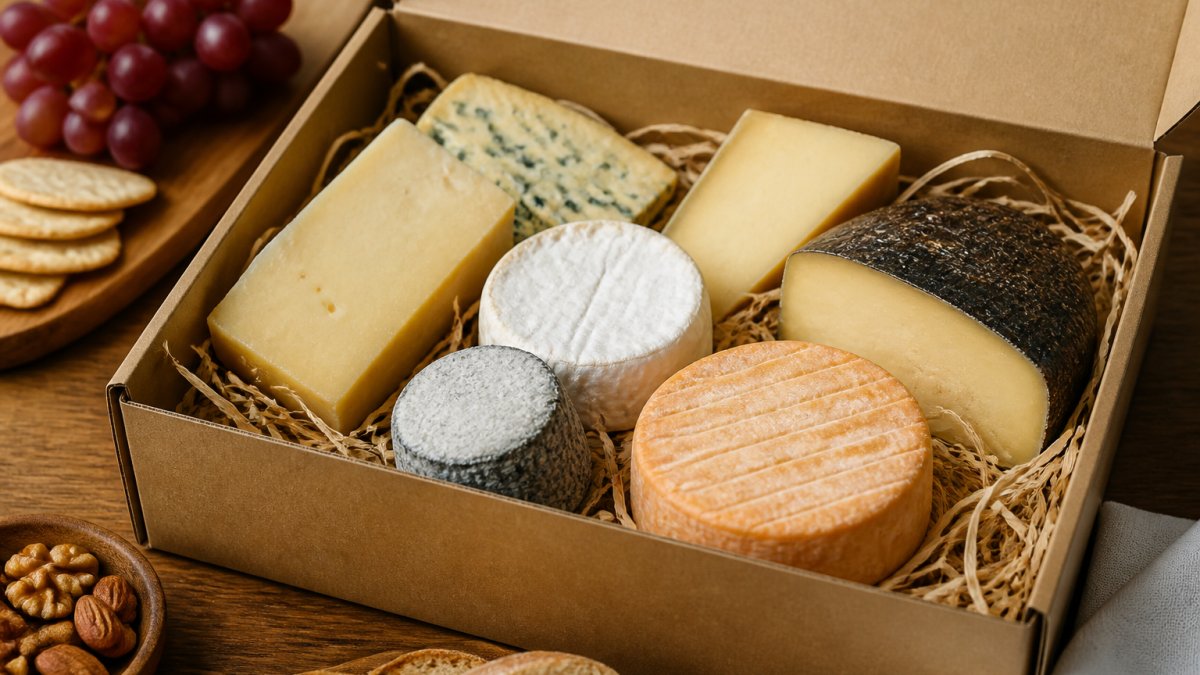
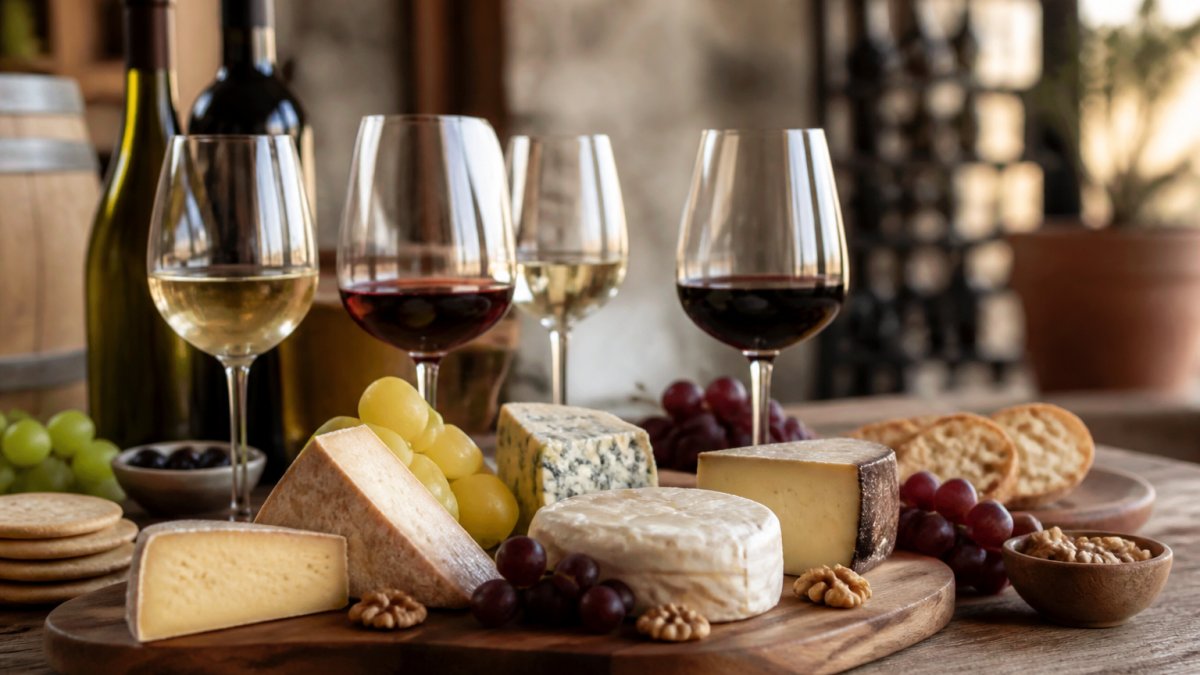
A balanced board offers three to five cheeses across different styles, plus accompaniments that bridge the gap between wine and cheese. Aim for one fresh cheese, one semi-soft, one hard aged, and one blue, then choose wines that match each. That structure is the same one most guides recommend, so the useful part is what goes between the cheeses.
The Accompaniments That Do the Bridging
Accompaniments matter more than most people think, and this is the part most guides leave out. A cracker is not a delivery vehicle; it is a pairing tool.
Honey and fig jam add sweetness, which softens salt and amplifies fruit in the wine. A drizzle of honey on a salty blue makes a tawny port taste rounder.
Marcona almonds and toasted walnuts add crunch and nutty notes that mirror the nuttiness in aged Alpine cheeses and oaked whites.
A useful ratio: for every cheese, offer one neutral vehicle (plain cracker or baguette slice) and one flavor bridge (honey, jam, nut, or dried fruit).
Sequencing the Board and the Wines
Pair the wines to the board, not the other way around. If you are serving one wine, choose a crisp white or a light red, which handle the widest range of cheeses. If you are pouring several, work from light to bold so your palate stays fresh.
Place the cheeses in that same order on the board, from mildest to boldest, so guests naturally eat them in the sequence that keeps their palate intact. Put the blue at the end, because it will dominate anything that follows it.
A Board-Building Cheat Sheet
| Board slot | Cheese example | Accompaniment | Wine |
|---|---|---|---|
| Fresh | Chevre, fresh mozzarella | Olive oil, cracked pepper, plain cracker | Crisp sauvignon blanc |
| Semi-soft | Fontina, young gouda | Apple slice, whole-grain cracker | Light red or oaked white |
| Hard aged | Aged cheddar, parmesan, manchego | Marcona almonds, dried apricot | Cabernet or syrah |
| Blue | Gorgonzola dolce, roquefort | Honey, fig jam, seeded cracker | Tawny or vintage port |
Serving Temperatures and Timing
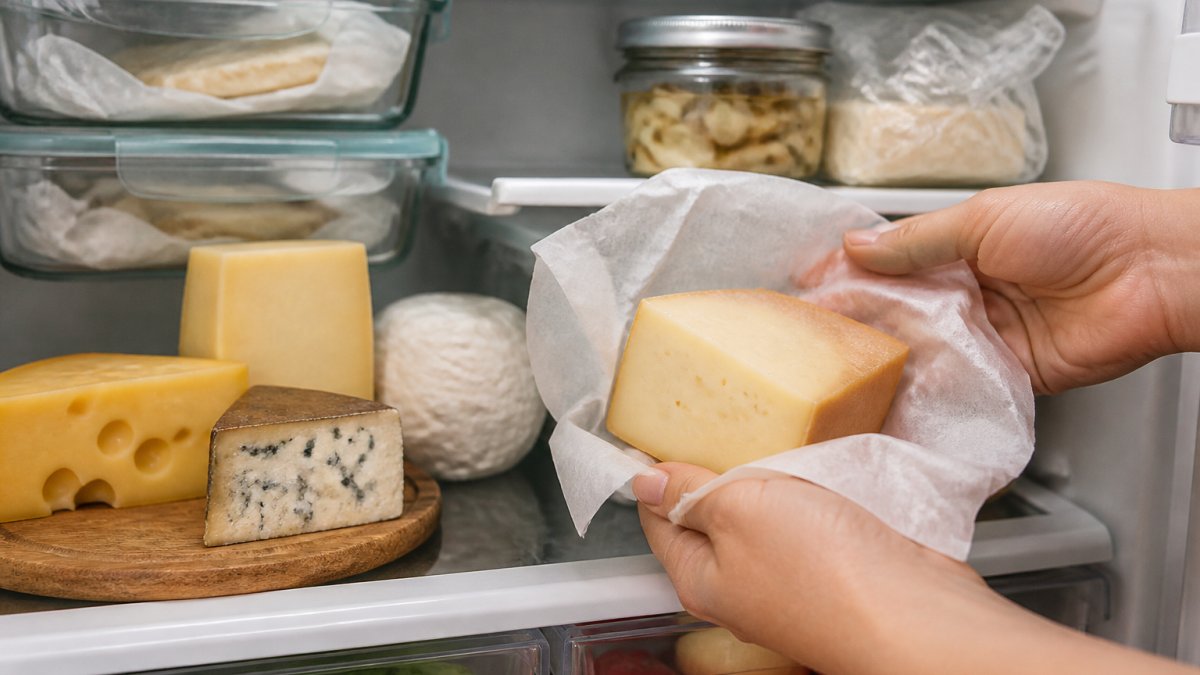
Serve cheese at room temperature, never straight from the fridge. Cold mutes aroma and flavor, so a cheese that tastes flat when cold will open up within 30 minutes on the counter. Hard aged cheeses can sit out longer than fresh ones, which should go back to the fridge after about two hours.
At Mozzarella Company, we make over forty handmade cheeses, from fresh mozzarella to aged styles, so you can build a board around a single wine or a single cheese. Our award-winning cheeses are made by hand in small batches, which means the flavor you taste is the flavor we intended.
Frequently Asked Questions
What cheese pairs best with wine?
The best cheese for wine pairing depends on the wine. For white wines, try fresh cheeses like mozzarella or goat cheese with crisp Sauvignon Blanc. For red wines, aged cheddar or Gouda works well with Cabernet Sauvignon. Blue cheese pairs beautifully with sweet dessert wines like Port. The key is balancing intensity and acidity.
Does cheese go better with red or white wine?
Both can work, but white wine often pairs more easily with a wider range of cheeses because its higher acidity cuts through creaminess. Red wines with bold tannins can clash with soft cheeses, so choose firm, aged cheeses for reds. For a safe bet, sparkling wine pairs with almost any cheese.
What not to pair red wine with?
Avoid pairing bold red wines with delicate fresh cheeses like ricotta or mozzarella, as the tannins can overpower them. Also, skip oily fish and vinegar-based dressings with red wine. Very spicy foods can amplify the alcohol burn in red wine, so opt for white or rosé instead.
How do you pair wine and cheese for a cheese board?
Choose 3-5 cheeses with different textures and milk types. Include a mix of fresh, soft, semi-hard, and blue. Pair each with a complementary wine: crisp white for fresh cheeses, light red for semi-soft, bold red for hard aged, and sweet wine for blue. Add accompaniments like nuts, honey, and dried fruit to bridge flavors.
What wine goes best with cheddar?
Cheddar's sharp, nutty flavor pairs well with a fruity red like Merlot or a dry sparkling wine. Aged cheddar also works with a hoppy IPA or a rich Port. For a classic match, try a Cabernet Sauvignon with mature cheddar; the wine's tannins cut through the cheese's richness.
Should you serve wine or cheese first?
There's no strict rule, but many experts suggest starting with lighter wines and cheeses, then moving to bolder ones. If serving cheese as an appetizer, pair with a light white; if as a dessert course, pair with a sweet wine. The French often serve cheese after the main course, before dessert.
Pairing wine and cheese well comes down to matching intensity and balancing acidity, tannins, and sweetness. Mozzarella Company makes that easier with handmade, award-winning cheeses produced in small batches since 1982, using fresh milk and fine ingredients. Whether you need a fresh mozzarella for a crisp white or an aged cheese for a bold red, our selection gives you a genuine starting point. Get started with Mozzarella Company and build a pairing table your guests will remember.