 how-to
How to Choose Artisanal Cheese: A Buyer's Guide
Table of Contents
- What Is Artisanal Cheese
- Understanding Artisanal Cheese Flavors and Textures
- Step 1: Assess Freshness and Quality at Purchase
- Step 2: Consider Your Occasion and Guest Count
- Step 3: Build a Balanced Cheese Selection
- Best Cheese for Pizza and Cooking Applications
- How to Store Artisanal Cheese After Purchase
- Questions to Ask Your Cheesemonger
- Frequently Asked Questions
Last Updated: October 11, 2026
What Is Artisanal Cheese
Artisanal cheese is handmade cheese produced in small batches using traditional methods and high-quality milk. At Mozzarella Company, we've been crafting award-winning artisanal cheeses since 1982, using fresh milk and the finest local ingredients to create over forty distinct varieties. The difference between artisanal and mass-produced cheese comes down to care, time, and attention to detail at every stage.
When you choose artisanal cheese, you're choosing a product made by skilled cheesemakers whose expertise and small-batch production deliver consistency and quality control that industrial operations cannot match.
Artisan vs. Farmstead vs. Mass-Produced
Understanding these distinctions helps you make better purchasing decisions. Artisan cheese is made by hand in small quantities, often from milk sourced from multiple farms. Farmstead cheese comes from a single farm where the cheesemaker also produces or controls the milk supply. Mass-produced cheese relies on standardized processes, pasteurized milk, and large-scale manufacturing.
Artisan cheesemakers focus on flavor and texture development from multiple milk sources. Farmstead producers control animal welfare and milk quality from a single farm. Mass producers optimize for consistency and shelf stability, not flavor complexity.
Understanding Artisanal Cheese Flavors and Textures
Milk type, aging process, and production method shape how a cheese tastes and feels. Learning to recognize these profiles makes selection easier and more enjoyable.
Soft, Semi-Firm, and Firm Varieties
Soft cheeses like brie and fresh mozzarella have high moisture content and a creamy texture. They spread easily and taste mild, often with subtle tangy notes. Semi-firm cheeses like gruyère and aged cheddar offer a balance between creaminess and structure. Firm cheeses like aged comté develop complex flavors and crumbly texture over months or years of aging.
Each category serves different purposes on your board or plate:
- Soft cheeses work best as appetizers or with fresh fruit
- Semi-firm varieties pair well with bread and nuts
- Firm cheeses shine alongside cured meats and crackers
Flavor Profiles: From Mild to Bold
Mild cheeses have subtle, buttery notes and appeal to newcomers. Tangy cheeses develop sharp, acidic notes from aging or bacteria cultures. Bold cheeses offer complex, peppery, or nutty flavors.
Many artisanal varieties are approachable for everyday eating, ranging from gentle and creamy to deeply complex.
Step 1: Assess Freshness and Quality at Purchase
Freshness and quality assessment require understanding how different cheese styles should look, smell, and feel. This prevents costly mistakes and ensures you're buying cheese at its peak.
Visual Inspection by Cheese Style
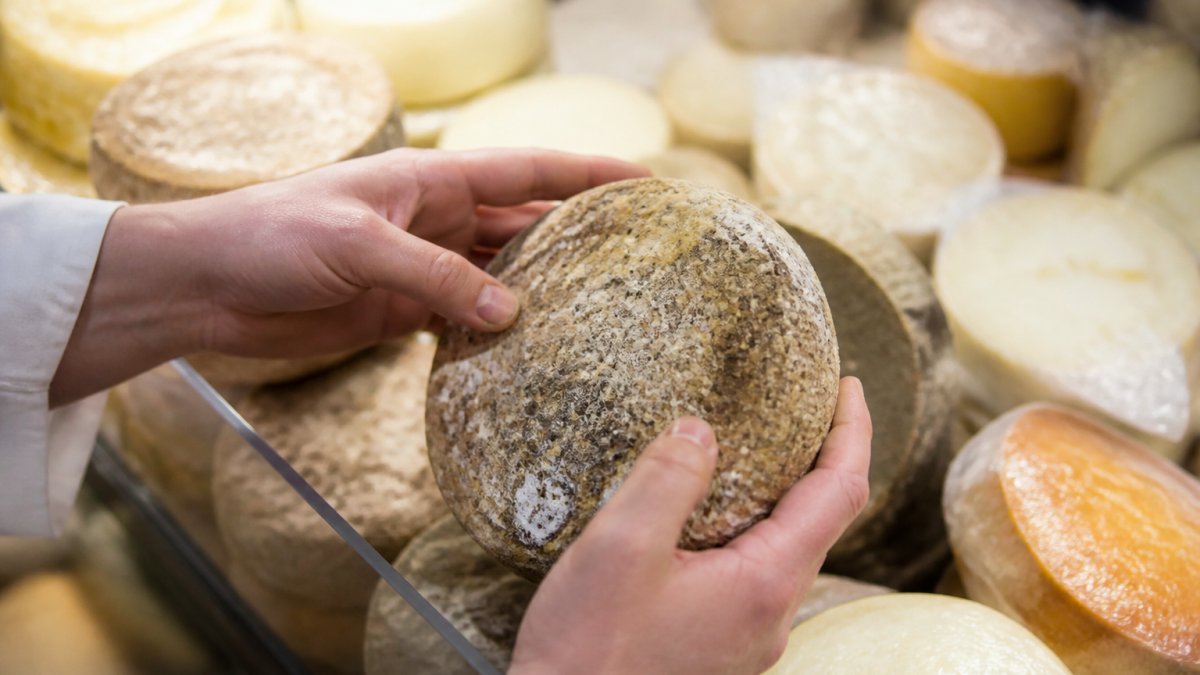
Soft cheeses should have clean, unblemished surfaces. Bloomy-rind cheeses like brie should have evenly distributed white rind without brown spots or cracks. A thin ammonia-colored line near the rind edge is normal; widespread browning signals over-ripeness.
Washed-rind cheeses naturally have orange or rust-colored surfaces. Natural-rind cheeses develop beneficial fuzzy or crusty mold. Avoid deep cracks, excessive crystallization (unless it's naturally crystalline like aged comté), or sweating surfaces that suggest temperature abuse.
For pre-cut cheese, the paste should be uniform in color with no dark streaks, separation, or slime.
The Aroma Test
Smell is your most reliable quality indicator. Each cheese style has a characteristic aroma profile:
- Soft cheeses should smell fresh, slightly tangy, and pleasant, like cultured butter or yogurt. A sharp ammonia or nail-polish-remover smell means the cheese is past its prime.
- Washed-rind cheeses naturally smell pungent and funky (like feet or barnyard). This is normal and desirable. The smell should be strong but not putrid or sulfurous.
- Blue cheeses have a distinctive earthy, peppery aroma. A musty or moldy basement smell is acceptable; a sour or vinegary smell is not.
- Aged hard cheeses smell nutty, caramel-like, or fruity depending on age and milk type. Aged gouda might smell like butterscotch; aged cheddar like toasted nuts. A sour or vinegary aroma indicates spoilage.
Trust your instinct. If a cheese smells off or unpleasant in a way that doesn't match its style, don't buy it. A good cheesemonger will replace it without question.
Texture and Firmness Cues
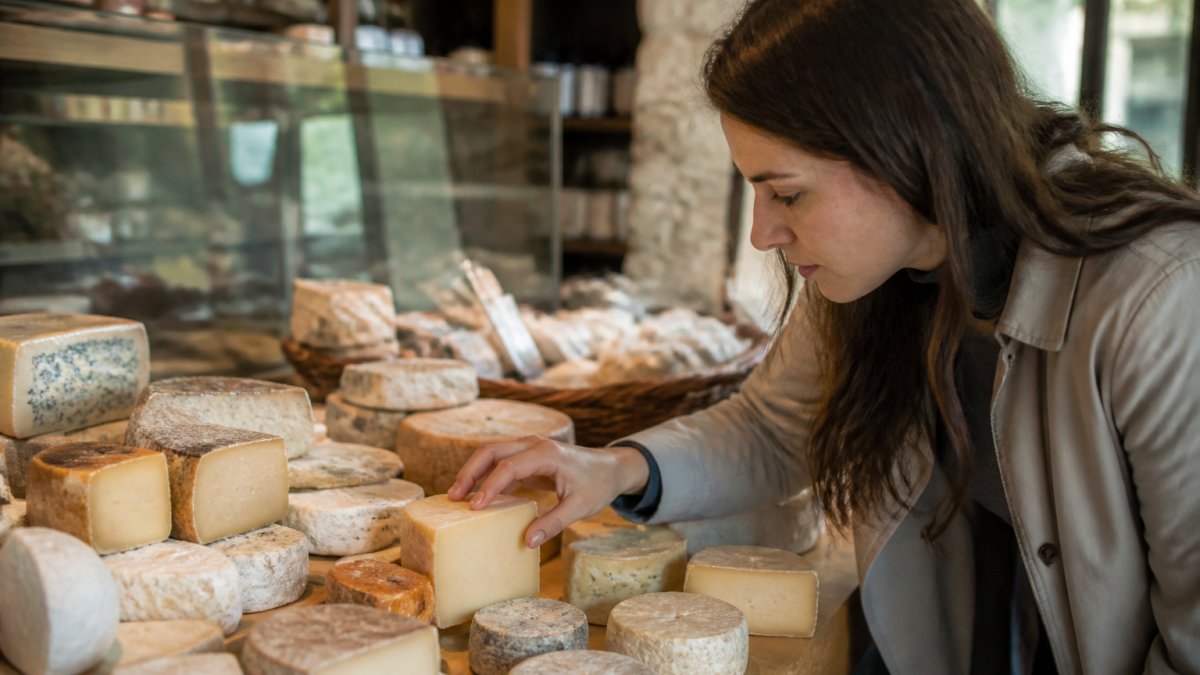
Press the cheese gently with your finger (through packaging if necessary). The response tells you about aging and storage:
- Soft cheese should yield easily to gentle pressure and spring back slightly. If it feels mushy or leaves an indentation, it's over-ripe.
- Semi-firm cheese should have some give but feel structured. It should not be rock-hard or rubbery.
- Firm aged cheese should feel dense and slightly crumbly. It should not feel greasy, sweaty, or oily.
If you're buying from a counter where you can't touch the cheese, ask the cheesemonger to press it for you and describe the resistance. A knowledgeable cheesemonger will know exactly how each cheese should feel.
Questions That Reveal Quality
Ask your cheesemonger these specific questions:
"When did this arrive?" If the cheesemonger doesn't know, that's a red flag.
"How often do you rotate stock?" A well-managed counter rotates cheese multiple times per week.
"Do you know the producer?" A cheesemonger who can name the cheesemaker and explain the aging process demonstrates genuine expertise.
"Has this been stored at the right temperature?" Warm counters or heat lamps damage quality.
"Can I taste it before buying?" Most specialty cheese shops offer tastes. If they refuse, shop elsewhere. Tasting before purchase is standard practice and protects both you and the cheesemonger.
Red Flags to Avoid
Do not buy cheese that smells sour or vinegary (unless it's a naturally pungent washed-rind), has unwanted visible mold, feels slimy or sweaty, comes from a cheesemonger who cannot answer basic questions, or has been sitting in direct sunlight.
Step 2: Consider Your Occasion and Guest Count
Your occasion, guest count, and budget determine which cheeses make sense and how much to buy. This section provides a practical framework for each scenario. (Source: FDA guidelines on cheese production)
Serving Quantities by Occasion
Standalone course: 3-4 oz per person. Charcuterie board: 1.5-2 oz per person. Ingredient/cooking: Calculate by recipe; artisanal cheese is potent. Casual snacking: 1-1.5 oz per person.
These quantities assume a 2-3 hour event. For longer gatherings, add 25-50% more.
Occasion-Specific Cheese Selections
Casual weeknight dinner (2-4 people): Choose one mild semi-firm cheese like young gouda or aged cheddar with fruit and bread.
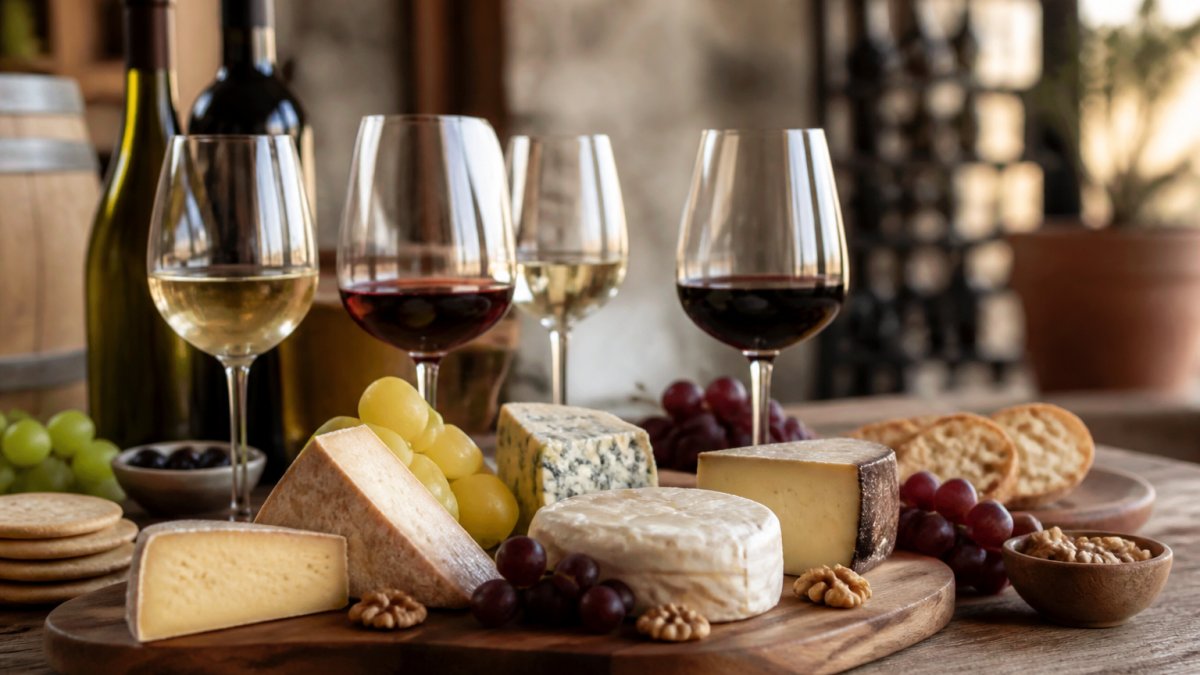
Wine tasting or pairing event: Choose cheeses that complement the wines.
Large gathering (10+ people): Offer four to five cheeses with variety: a crowd-pleaser, a showstopper, and middle-ground options. Budget: $40-80.
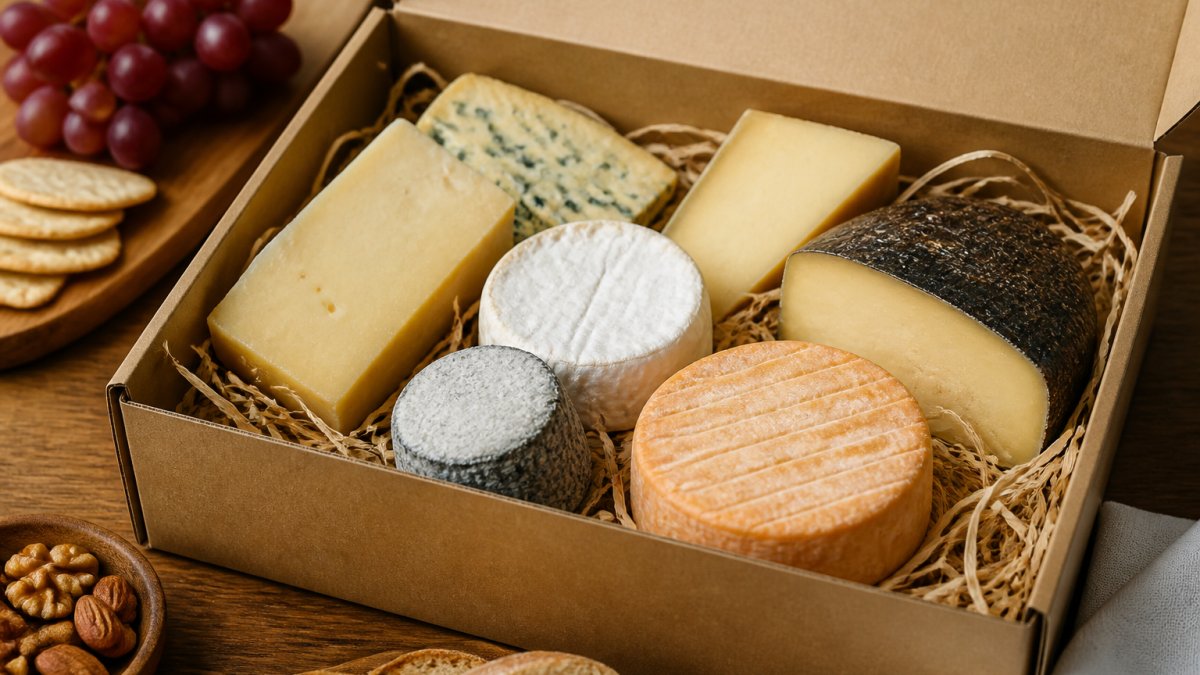
Gift or special occasion: Choose firm aged cheeses or distinctive shapes that ship well. Avoid soft cheeses unless nearby. Budget: $25-60.
Picnic or outdoor event: Select firm aged cheeses that hold up to temperature fluctuation.
Budget Tiers and Quality Expectations
Budget tier ($6-12/lb): Quality artisanal cheeses like young gouda or fresh chèvre. Good for everyday enjoyment. Mid-tier ($12-25/lb): Farmstead cheeses and aged varieties like gruyère or comté. Appropriate for dinner parties. Premium tier ($25-50+/lb): Rare, highly aged cheeses. Reserve for serious tastings or special occasions.
Mix tiers on a board: one budget cheese (approachable), one mid-tier (main event), one premium (conversation piece) to maximize impact while controlling cost.
Scaling for Different Group Dynamics
Adventurous guests: Include bold, funky, or unusual cheeses. Washed-rind, blue, and aged varieties with strong aromas appeal to experienced cheese eaters.
Dietary restrictions: Ask guests in advance about allergies, vegetarian preferences, or lactose sensitivity. Most artisanal cheeses are vegetarian (made with vegetable rennet), but not all.
Children present: Include mild, familiar cheeses. Avoid pungent washed-rind and blue cheeses. Young cheddar, fresh mozzarella, and mild gouda are usually crowd-pleasers.
The Occasion-to-Cheese Decision Tree
Start with your occasion, then work through these decisions:
- Is cheese the main event or a supporting player? (Main event = 3-4 oz per person; supporting = 1.5-2 oz)
- What is your budget per person? (Divide total budget by guest count to guide cheese selection)
- What is your guests' cheese experience level? (Beginners need mild anchors; adventurous guests want bold options)
- How much time do you have to source and prepare? (Simple selections take less time; complex boards require planning)
- What season is it? (Summer calls for lighter, fresher cheeses; winter suits aged, complex varieties)
Once you answer these questions, you can narrow your selection and move to Step 3: building a balanced cheese selection.
Step 3: Build a Balanced Cheese Selection
A balanced selection includes soft, semi-firm, and firm aged cheeses, progressing from mild to bold. Vary milk types: cow's milk (buttery, mild), goat's milk (tangy, bright), sheep's milk (rich, complex).
| Cheese Type | Texture | Flavor Intensity | Best For |
|---|---|---|---|
| Soft (brie, fresh mozzarella) | Creamy, spreadable | Mild | Appetizers, fruit pairing |
| Semi-firm (gruyère, aged cheddar) | Slightly firm, sliceable | Medium | Bread, nuts, charcuterie |
| Firm (comté, aged gouda) | Dense, crumbly | Bold | Cured meats, solo tasting |
When you choose artisanal cheese for a board, arrange by flavor intensity from mild to bold. Use a separate knife for each cheese to prevent flavor transfer.
Best Cheese for Pizza and Cooking Applications
Fresh mozzarella adds creaminess but can make pizza soggy; low-moisture mozzarella melts evenly. Blend mostly low-moisture with fresh mozzarella added near the end. Aged cheddar and gruyère work well in baked dishes. Match cheese characteristics to cooking method: high-moisture cheeses for raw applications, firm aged for heat. Cooking intensifies sharp notes, so use milder cheeses for subtlety.
How to Store Artisanal Cheese After Purchase
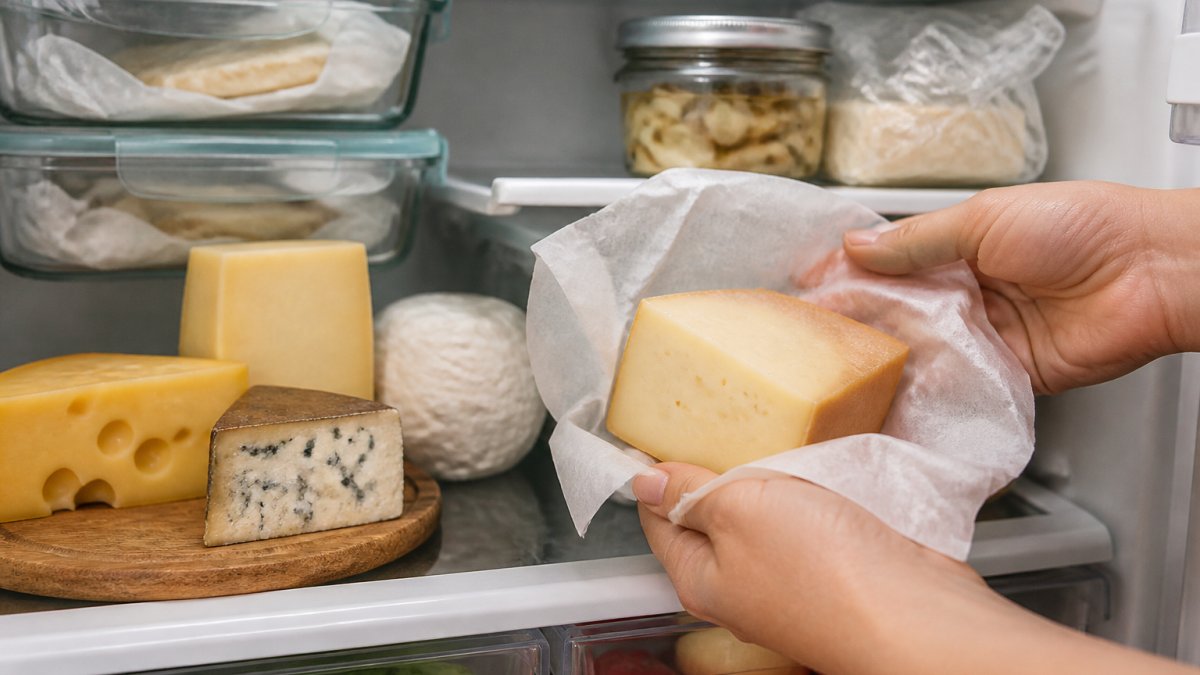
Proper storage extends cheese life and preserves flavor. Avoid plastic wrap, which traps moisture and accelerates spoilage.
Temperature, Wrapping, and Shelf Life
Wrap in parchment or cheese paper, changing it if damp. Plastic containers with air holes work well. Never use plastic wrap or foil.
Keep away from strong-smelling foods. If surface mold appears, cut it away; if mold penetrates soft cheese, discard it.
Questions to Ask Your Cheesemonger
A knowledgeable cheesemonger knows producers, understands aging, and matches cheeses to your taste. Ask: "When did this arrive?" "How should I serve this?" "What milk is this made from?" "How long has this aged?" A cheesemonger who knows the cheesemaker's story demonstrates genuine expertise.
Choosing artisanal cheese becomes easier once you understand what to look for. Start by assessing freshness at purchase, considering your occasion, and building balanced selections with variety in texture and flavor.
Frequently Asked Questions
What makes a cheese artisanal?
Artisanal cheese is handmade in small batches using traditional production methods, fresh milk, and natural ripening processes. Unlike mass-produced cheese, artisanal varieties are crafted by skilled cheesemakers who control every step, from milk selection to aging, to develop complex flavors and textures. Each batch reflects the cheesemaker's expertise and the unique characteristics of their milk source, creating distinctive cheeses that vary by season and production decisions.
How do I choose artisanal cheese based on flavor and texture?
Start by identifying your preference: soft, creamy varieties like brie or fresh mozzarella for mild, buttery tastes; semi-firm options like Gruyère for nutty, caramel notes; or firm, aged cheeses for sharp, complex flavors. Ask your cheesemonger for tasting samples. Consider the occasion, delicate soft cheeses suit casual boards, while aged, firm varieties impress at formal tastings. Balance your selection with at least one mild, one medium, and one bold option to create a well-rounded tasting experience.
How can I tell if artisanal cheese is fresh?
Examine the rind and surface for mold or discoloration, natural variation is normal, but ammonia odors or excessive moisture signal age or storage problems. Press gently; the cheese should feel firm or slightly yielding depending on type, not hard or crumbly unless it's an aged variety. Request a small taste before purchasing. Fresh artisanal cheese should smell inviting and earthy, never sour or off-putting.
What should I look for on an artisanal cheese label?
Check the producer's name, origin, and milk type (cow, goat, sheep, or blended). Look for production date or aging period, this tells you the cheese's maturity level. Labels showing natural ripening, raw milk, or traditional methods indicate authentic artisanal production. Verify the cheesemaker's reputation or awards if listed. The label should clearly state storage instructions and shelf life. If sourcing matters to you, seek labels that highlight local milk or ethical farming practices.