 blog
Where to Buy Small Batch Cheese Online: A Buyer's Guide
Last Updated: November 2, 2026
Quick Summary
You can buy small batch cheese online directly from the maker's own website, where a named producer, a physical address, and details of how the cheese is made are all listed. Verify the maker before you verify the price, and confirm cold packing and shipping timing before checkout.
- Circana data shows 11.6% of consumer dairy sales now happen online, with online dairy sales growing 19% in 2025.
- Ask three questions: who is the maker, how large is a batch, and how long between making and shipping.
- Fresh mozzarella and burrata are the most perishable styles, so ship them overnight where possible.
- Check the box on arrival: it should feel cold, with gel packs still partly frozen or cold.
- Ship gifts to arrive the day before an event, not the day of, and confirm someone will receive it.
Table of Contents
- What Small Batch Cheese Really Means
- How to Buy Artisanal Cheese Online Without Getting Burned
- Reading a Cheese Selection: Styles, Milks, and What Ships Well
- Shipping Temperature Control and What Arrival Should Look Like
- Cheese Gift Baskets Online: Building a Box That Lands Well
- How to Store Cheese After It Arrives
- Ordering From Our Dallas Shop or Choosing a Best Seller
- Frequently Asked Questions
What Small Batch Cheese Really Means
Small batch cheese is cheese made in limited runs by hand, with the maker controlling each step from curd to cut. The term describes production scale and method, not a protected legal category, which is why it gets stretched so thin online.
Circana data reported by Cheese Reporter's 2026 dairy growth coverage shows that 11.6% of consumer dairy sales now happen online, and that online dairy sales grew 19% in 2025. That growth explains why so many sellers have started using "small batch" as a label. At Mozzarella Company, we have made cheese by hand in our Dallas factory since 1982, so we have watched that label loosen over four decades.
Handmade, Not Just Hand-Labeled
A hand-labeled sticker is not evidence of anything. What separates real small batch cheese from a marketing claim is traceability: who made it, where, in what quantity, and how quickly it moved from make room to box.
The Vermont Agency of Agriculture's specialty cheese market report notes that artisan-only cheesemakers made up 19% of respondents, describing their cheeses as primarily produced by hand or in small batches. That is a useful benchmark. Most of what advertises itself as artisan is not made that way.
Ask three questions: Who is the maker? How large is a batch? How long between making and shipping? Vague answers are your signal to keep browsing.
How to Buy Artisanal Cheese Online Without Getting Burned
Buying artisanal cheese online comes down to verifying the maker before you verify the price. A polished product page tells you nothing about whether the cheese was made last week or last spring.
Start with the maker's own site rather than a marketplace listing. For a deeper walkthrough, see How to Choose Artisanal Cheese: A Buyer's Guide. You want a named producer, a physical address, and a description of how the cheese is made. If the seller cannot tell you who made the cheese, assume nobody can.
Questions to Ask Before You Click Checkout
- Is the maker named, with a location you can verify?
- Does the listing say when the cheese was made or how fresh it ships?
- Is shipping temperature control mentioned, or just "fast shipping"?
- Are ingredients and milk type listed per item?
- Is there a stated policy for damaged or delayed orders?
- Does the total at checkout include shipping, or is it added later?
Watch out: the most common mistake is ordering a mixed box in July or August without confirming cold packing. Cheese that sits warm in a delivery truck for an afternoon will arrive sweating and shortened in life, and no refund policy fixes a ruined gift.
Reading a Cheese Selection: Styles, Milks, and What Ships Well
Cheese styles behave differently in transit, and that should shape what you order. Fresh cheeses like mozzarella and burrata are the most perishable and the most sensitive to warmth. Aged and firm styles tolerate a longer trip.
Milk type matters just as much for flavor. Cow milk gives you the familiar buttery baseline. Goat milk brings a tang that people either love or do not. Sheep milk runs richer and sweeter. If you are new to this, order a small assortment rather than a single large piece.
Not everything ships equally well:
- Fresh mozzarella and burrata: best eaten soon after arrival, ship overnight where possible
- Caciotta and semi-firm styles: travel well, hold up over several days
- Goat cheese: ships well when chilled, flavor fades with age
- Aged firm cheeses: the most forgiving in transit
Plant-based and vegan options exist in this category too, but check whether the seller makes them in the same facility. If cross-contact matters to you, ask directly.
Not every style travels the same way, so match the cheese to the trip.
| Cheese style | Ships well? | Note |
|---|---|---|
| Fresh mozzarella and burrata | Least | Most perishable; ship overnight where possible |
| Caciotta and semi-firm styles | Yes | Travel well, hold up over several days |
| Goat cheese | Yes, when chilled | Flavor fades with age |
| Aged firm cheeses | Most forgiving | The most forgiving in transit |
Shipping Temperature Control and What Arrival Should Look Like
Cold packing is the whole ballgame, and the details matter more than the phrase "fast shipping." A properly packed box keeps the cheese cold from the moment it leaves us. Ask any seller how they keep cheese cold in transit, and why.
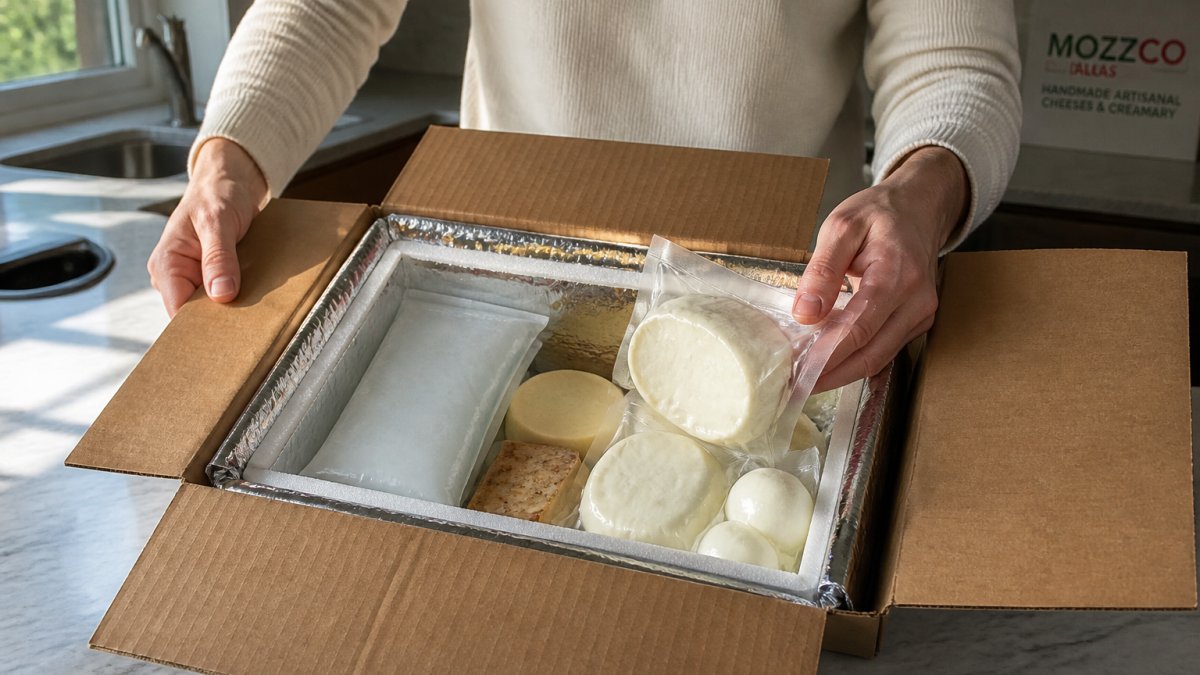
Reputable sellers build shipping around the weather, not just the calendar. Ask how the seller handles both hot and cold weather, and whether they will hold an order rather than ship into a bad forecast. For practical guidance, read How to Send Handmade Cheese Gifts That Arrive Fresh.
Carrier timing matters too. Overnight service is not a guarantee, so build in a buffer day before any event.
What arrival should look like:
- Cool to the touch: the box and inner packaging should feel cold, not room temperature.
- Intact cold source: gel packs partly frozen or still cold; dry ice mostly sublimated but the cavity still cold.
- No sweating or pooling: a little condensation is normal, but standing water or slimy wrappers are not.
- Firm, clean rinds: fresh cheeses should look moist but not broken; firm cheeses should be firm, not greasy.
- Aroma check: a clean dairy smell is expected; ammonia or sour notes on fresh cheese are a warning sign.
If something is wrong, contact the seller the same day with photos. Ask about our damaged or delayed order policy, and act quickly, because the evidence matters. A common mistake is ordering on a Thursday for a Saturday event. Even overnight service can slip, and a gift that arrives Monday has missed its moment.
Cheese Gift Baskets Online: Building a Box That Lands Well
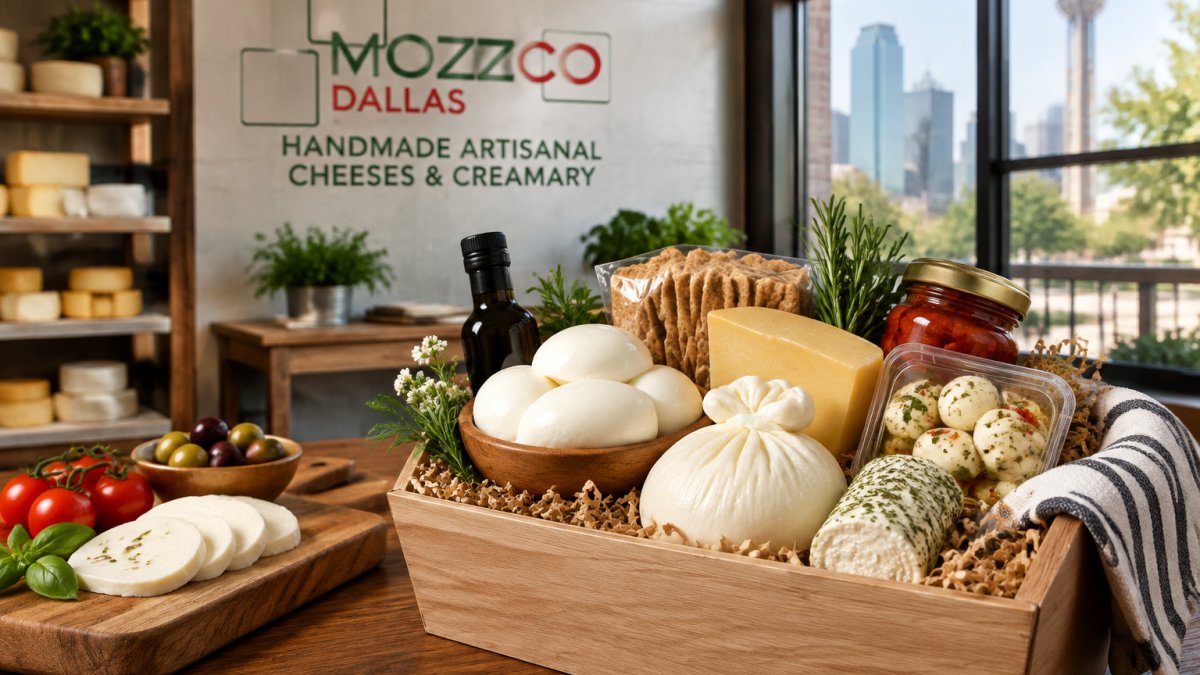
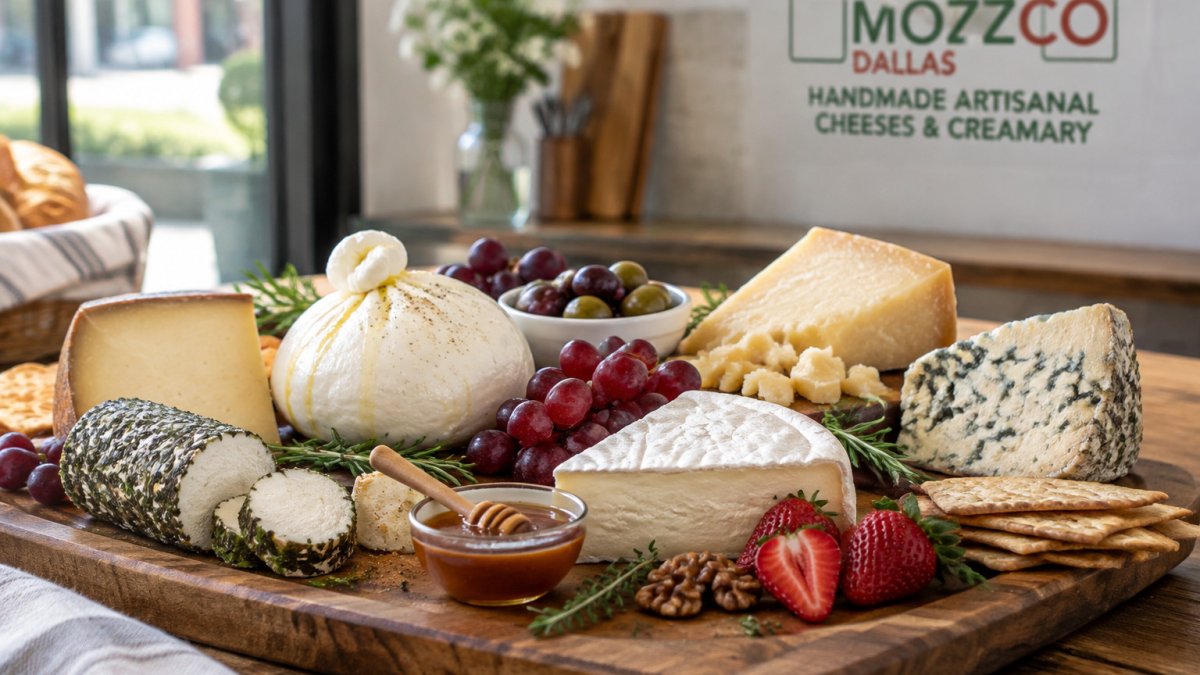
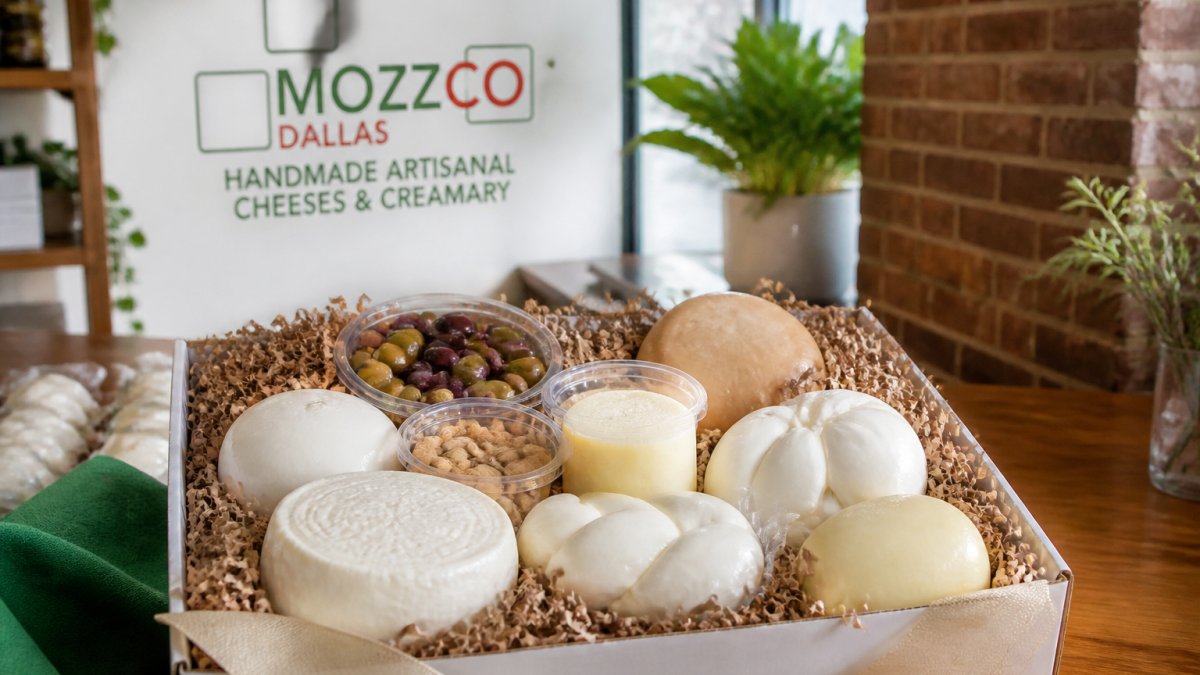
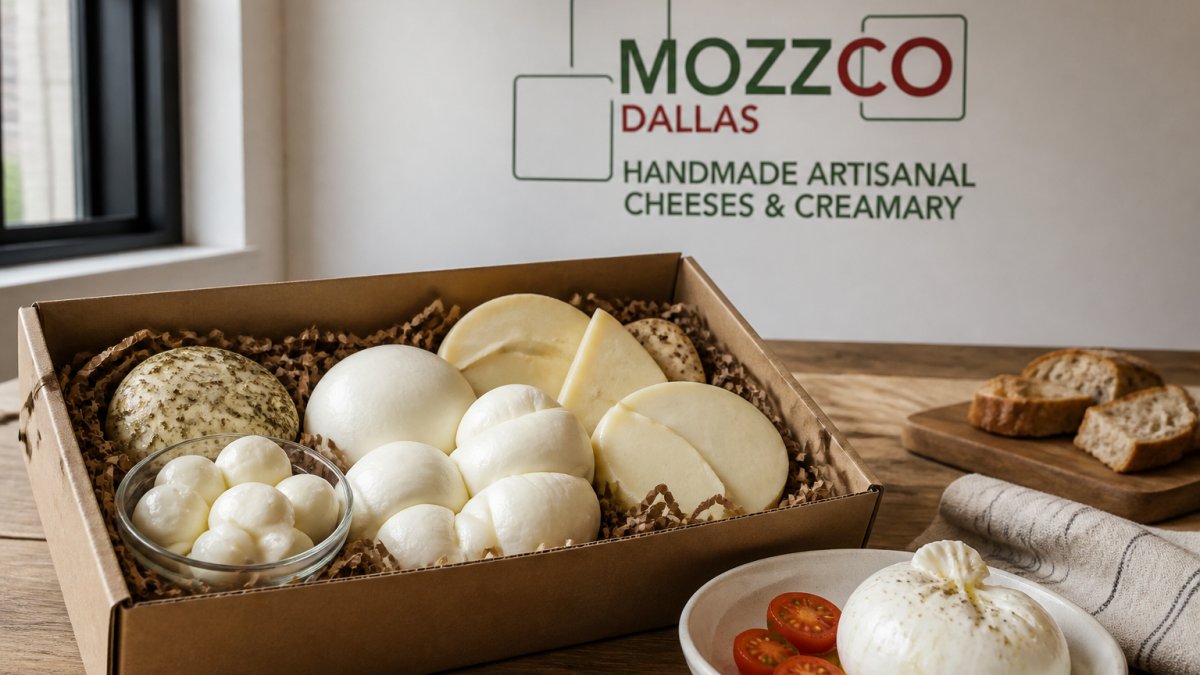
A good cheese gift basket is built around the recipient, not around the biggest discount. Think about what they will actually eat, how many people they are feeding, and whether they have a fridge with room. A box that lands well is balanced: a few styles that contrast in texture and flavor, a couple of accompaniments that make it a meal, and a delivery that arrives when someone is home to receive it.
For a colleague or a client, a curated assortment with three to five styles beats a giant single wheel. For a family, a larger selection with something mild and something bold works better. For someone who already knows cheese, go narrower and more unusual.
A balanced box usually includes:
- One fresh cheese such as mozzarella or burrata, for immediate eating
- One semi-firm or firm cheese such as caciotta, for slicing and snacking
- One tangy or bold cheese such as a goat cheese, for contrast
- A note that tells the recipient what to eat first and how to store the rest
Three things separate a box that lands well from one that disappoints:
- Arrival timing: ship to arrive the day before, not the day of, and confirm someone will be there to receive it.
- Variety within reason: three to five styles is plenty; too many small pieces get lost.
- A note: a gift card or handwritten note turns a box of food into a gift, and it is the cheapest upgrade you can make.
If you are local, the simplest path is to come by the shop at 2944 Elm St in Deep Ellum and build a box in person. We are happy to hand you a sample. If you are ordering online, start with our cheese selections, the curated gift boxes we build from the cheeses we make in the factory. For a simpler decision, our best sellers collection gathers the varieties most people reach for first.
How to Store Cheese After It Arrives
How you store cheese after arrival decides how it tastes on day five. The short answer: keep it cold, keep it wrapped, and let it breathe before you eat it.
-
Refrigerator, not counter. Most cheese belongs in the fridge, in the crisper drawer if you have one.
-
Wrap in cheese paper or parchment, then loosely in plastic. Tight plastic traps moisture and can turn rinds slimy.
-
Label with the date. You will not remember.
-
Take it out 20 to 30 minutes before serving. Cold mutes flavor.
Firmer styles hold longer than fresh ones. If mold appears on a hard cheese, trim well below the surface; on a fresh cheese, discard it.
Ordering From Our Dallas Shop or Choosing a Best Seller
If you are local, come by the shop at 2944 Elm St in Deep Ellum and taste before you commit. That is still the fastest way to figure out what you like, and we are happy to hand you a sample.
If you are ordering online and do not want to experiment, start with our best sellers collection.
Want to make it yourself? We teach cheese-making classes at the factory, with public sessions on Saturdays and private group classes on Wednesdays.
Frequently Asked Questions
Where can I buy small batch cheese online?
Start with a maker you can trace: a creamery that names its own cheeses, makes them in its own facility, and ships them itself. Buying online is common now, which means checking the seller matters. Look for clear shipping and storage guidance on the product page, then order a small selection first to test freshness before committing to a larger box or a subscription.
What does small batch cheese mean?
Small batch cheese is made by hand or in short runs rather than on a continuous industrial line. In practice, small-batch cheese means cheese made by people rather than on a continuous line, with some variation between batches. Ask a seller how a cheese is made and who makes it; a real small-batch operation answers without reaching for marketing language.
How should cheese be packaged for shipping?
Insulation plus a cold pack keeps cheese cold in transit. When your order arrives, the cheese should feel cool, not warm, and the pack should still have some chill left. If a box shows up warm or sweating, contact the seller before eating it. Reputable shops plan packaging around transit time, not around the cheapest box.
How should I store cheese after it arrives?
Refrigerate it promptly and keep it wrapped, but let it breathe a little. Cheese paper or a loosely closed container works better than tight plastic for most styles, because trapped moisture turns rinds slimy. Harder styles hold longer than soft fresh ones. Take cheese out 20 to 30 minutes before serving so the flavor opens up, and cut only what you will eat so the rest keeps.
The hardest part of buying small batch cheese online is trusting that what arrives matches what was described. We have been making handmade cheese in Dallas since 1982, with more than forty varieties made in our own factory, and we ship gift boxes packed to arrive cold. Browse our cheese gift baskets to send something that lands well, or start with our best sellers if you would rather skip the guesswork.