 Listicle
How to Send Handmade Cheese Gifts That Arrive Fresh
Last Updated: October 25, 2026
Quick Summary
Handmade cheese gifts that ship require choosing stable varieties like aged Gouda or caciotta, packing them in insulated boxes with frozen cool packs, and shipping mid-week to ensure they arrive fresh. Pair your cheese with quality crackers, cured meats, and mustard for a complete gift that tastes intentional.
- Aged and firm cheeses like Parmesan, aged Gouda, and caciotta travel best; fresh mozzarella and burrata need extra insulation and care.
- Pack cheese in individual wraps with frozen cool packs distributed around the box, leaving modest air space for even cooling.
- Ship Monday through Wednesday to avoid weekend sorting delays and prevent perishable gifts from sitting in transit too long.
- Include thin, neutral crackers and quality mustard to complement the cheese and elevate the gift.
- Ask the recipient to open the box the day it arrives and let cheese come to room temperature 30 to 45 minutes before serving.
Table of Contents
- Why Handmade Cheese Gifts Stand Out
- Understanding Cheese Gift Baskets and What to Include
- Artisan Cheese Gifts Delivered: Shipping and Packaging Essentials
- Choosing the Right Cheese Gifts Delivered for Any Occasion
- What to Expect When Your Cheese Arrives
- Common Concerns About Shipping Handmade Cheese
- Start Your Handmade Cheese Gift Journey
- Frequently Asked Questions
Why Handmade Cheese Gifts Stand Out
Handmade cheese gifts that ship offer something mass-produced alternatives can't: authenticity. When you send artisanal cheese, you're sharing the work of real cheesemakers.
The real draw is flavor. Each variety tells a story through technique and aging.
Shipping handmade cheese takes more thought than ordering from a big-box retailer, but it's manageable. The key is knowing what travels well, how to pack it, and which seasons work best.
Understanding Cheese Gift Baskets and What to Include
A well-designed cheese gift basket balances flavors, textures, and complementary items. The best baskets aren't random assortments, they're thoughtfully curated so every element works together.
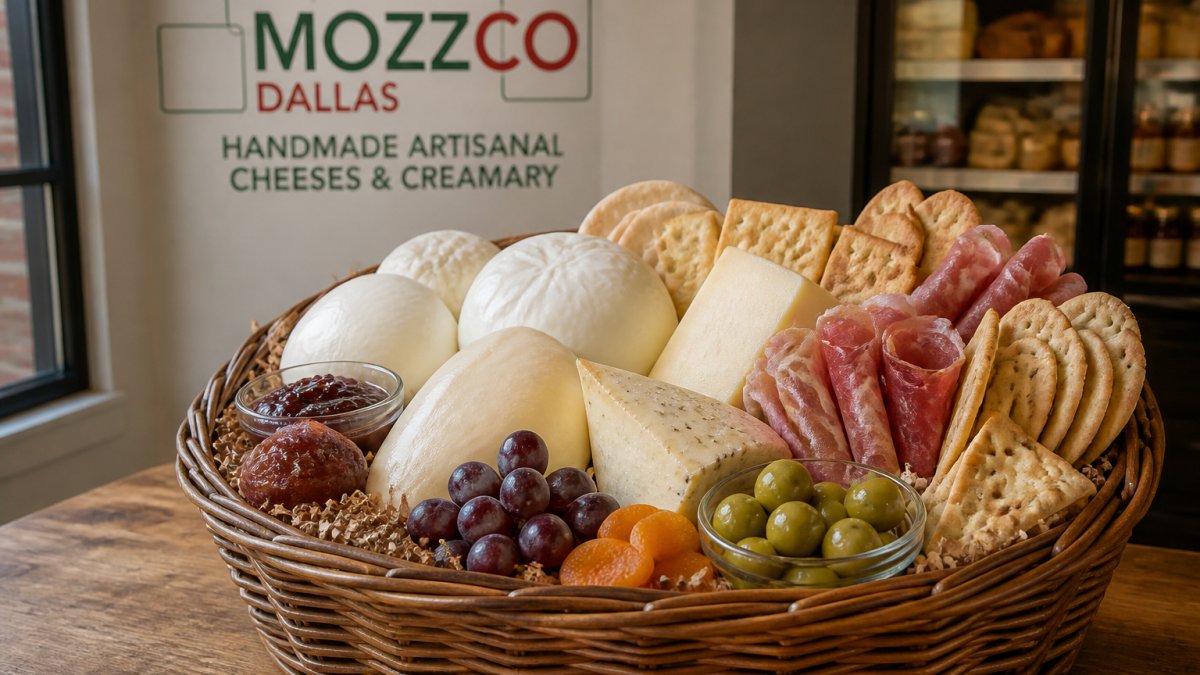
Start with cheese variety. A strong basket includes two or three styles: something mild like fresh mozzarella or young goat cheese, something with more character like smoked Gouda or aged caciotta, and perhaps something unexpected. Contrasting styles mean almost any guest finds something they love.
Crackers matter more than people realize. Thin, crispy crackers let the cheese shine. Carr's Original Table Water Crackers are a reliable choice that won't compete with delicate flavors.
Accompaniments round it out. A quality mustard, some nuts, or a touch of jam elevates a basket from nice to memorable.
Browse our cheese gifts to see how we put these elements together, or explore our best sellers if you want to start with proven combinations.
The Artisan Cheeses That Travel Well
Not all handmade cheeses handle shipping equally. Soft, fresh cheeses like ricotta or very young mozzarella can break down if temperatures fluctuate.
Fresh mozzarella is trickier: it's delicate, and warmth makes it greasy and limp.
Aged cheeses like Parmesan, aged Gouda, or caciotta are travelers, stable, flavorful, and forgiving.
Goat cheese works well too when it's firm enough to hold its shape.
Pairing Cheeses with Crackers and Accompaniments
The best cheese gifts include thin, neutral crackers, water crackers or simple petit toasts, that won't compete with the flavors you're sending.
Mustard is the secret weapon. A good whole-grain or smooth Dijon transforms cheese tasting and works with almost every variety. Jam can work too, but mustard is more versatile and doesn't feel overly sweet.
Different cheeses handle shipping differently, so choose varieties that arrive in good condition.
| Cheese Type | Shipping Suitability | Key Consideration |
|---|---|---|
| Fresh mozzarella | Requires extra care | Delicate; warmth makes it greasy and limp |
| Burrata | Requires extra care | Distinctive but faces similar challenges to fresh mozzarella |
| Aged Parmesan | Travels well | Firm structure holds up in warm conditions |
| Aged Gouda | Travels well | Stable and forgiving of temperature swings |
| Caciotta | Travels well | Structurally stable and handles transit well |
| Firm goat cheese | Travels well | Works when firm enough to hold its shape |
| Ricotta | Not recommended | Breaks down if temperatures fluctuate |
| Very young mozzarella | Not recommended | Can break down if temperatures fluctuate |
Artisan Cheese Gifts Delivered: Shipping and Packaging Essentials
Shipping handmade cheese comes down to three levers: how cold you start, how well you insulate, and how few days the box spends in transit. Get those right and a perishable gift arrives in the condition it left the shop.
Temperature Control During Transit
Insulation is the foundation. A plain cardboard box offers almost no protection from a warm truck or sunny porch, so every perishable gift goes out in a box lined with a thermal layer, foam, a reflective liner, or both, plus frozen cool packs.
A few mechanics that matter:
- Freeze the packs solid before packing. A half-frozen pack gives up its cold too fast. Packs should come straight out of a deep freeze and go into the box.
- Distribute the cold. Several smaller packs placed around the cheese cool more evenly than one big block in a corner. You want a stable interior, not a cold spot and a warm spot.
- Wrap each cheese individually. Food-safe wrap or parchment keeps items from touching, limits moisture transfer, and lets cool air move around each piece.
- Leave a little air space. A tightly crammed box insulates poorly. A modest cushion of air around the wrapped cheese helps the cool packs do their job.
The target is a steady refrigerator-cool interior, not freezing. Cheese that freezes can crack or turn grainy, so the goal is stable cold, not ice.
Timing and Delivery Windows
When a box ships matters as much as how it's packed.
- Ship early in the week. Monday through Wednesday drop-offs move through carrier networks on business days and avoid weekend sorting facilities. A Thursday or Friday drop-off is the classic way a perishable gift spends two extra days in transit.
- Build in a buffer for holidays. Carrier volume spikes around gift holidays, so order earlier than you think you need to.
- Watch the weather on both ends. A box leaving a cool shop can still land in a hot climate or sit on a hot porch. Cold months are easiest; warm months call for faster service and a recipient who's home.
- Use tracking and tell the recipient. A quick heads-up, "your cheese arrives Tuesday, please bring it inside", prevents the most common failure: a perishable box baking on a doorstep.
What Travels Well and What Needs Extra Care
Not every handmade cheese handles a journey the same way, and the packing plan should follow the cheese.
- Firm and aged cheeses are the easy travelers. Caciotta-style wheels, aged varieties, and firm goat cheeses are structurally stable and forgiving of temperature swings.
- Fresh cheeses need the most attention. Fresh mozzarella and burrata are delicate; warmth makes them soften and lose texture. They can ship, but they belong in the coldest, best-insulated configuration on the fastest service you can book.
- Match the assortment to the season. A summer gift leans on firmer selections; a winter gift can be more adventurous.
If you're unsure which of our cheeses to send, browse our cheese gifts to see the combinations we've already built for shipping, or explore our best sellers for the proven picks.
Choosing the Right Cheese Gifts Delivered for Any Occasion
Different occasions call for different approaches.
For professional thank-yous, lean toward familiar flavors and proven pairings, mild cheeses, quality crackers, and simple accompaniments feel thoughtful without being intimidating.
For food enthusiasts, take more risks: an aged goat cheese, a smoked variety, or an unexpected pairing.
Housewarming gifts work best with variety.
Holiday gifts can be more generous, a larger basket with more variety, premium selections, and beautiful presentation lands better than something minimal.
For someone unsure of the recipient's tastes, stick with a curated collection from a trusted cheesemaker. Learn how to choose artisanal cheese that will travel well and impress, or browse our proven combinations in our cheese gifts section.
What to Expect When Your Cheese Arrives
Most guides stop at the doorstep, but the first hour after a cheese gift lands decides how good it tastes. Here's the unboxing playbook we'd hand to anyone receiving one of our gifts.
Open It Promptly
Open it the day it arrives. Cool packs have a finite life, and once they're spent, the box becomes a warm room. If the recipient won't be home, arrange for a neighbor or building desk to bring it inside.
Read the Box Before You Toss It
A well-packed gift carries its own instructions. Sort the contents into two piles: refrigerate now, and pantry-stable. Crackers, mustards, nuts, and jams keep in the cupboard; the cheese does not.
Handle the Cool Packs Sensibly
Expect condensation, it's a sign the cold chain worked. Wipe down wrapped cheeses before storing so surface moisture doesn't sit against the cheese, and discard spent packs.
Store by Cheese Type
- Fresh cheeses, fresh mozzarella, burrata, soft goat cheese, go straight into the refrigerator and should be eaten soon. They're at their best in the first days.
- Firm and aged cheeses hold up well and can stay refrigerated for considerably longer. Wrap them in parchment or cheese paper rather than tight plastic, which traps moisture and can dull the flavor.
- Let cheese breathe. A little airflow is friendlier to flavor than an airtight seal.
Serve It Right
Chilled cheese tastes muted, the flavors are there, they're just locked up by the cold. Let a portion come to room temperature for about 30 to 45 minutes before serving. That single step does more for a handmade cheese than almost anything else, and it's especially noticeable with subtle, fresh varieties.
If you'd rather see how it's made before you send it, our Saturday cheese-making classes are open to the public, a good way to understand exactly what's in the box.
Common Concerns About Shipping Handmade Cheese
The biggest worry is whether cheese will arrive in good condition.
Some worry shipping damages the delicate flavors of handmade cheese. It doesn't, what matters is temperature stability, which packaging controls.
Others wonder if shipping is worth it compared to buying locally.
Seasonal concerns are real but manageable. Summer requires more careful packing, winter is easier, and spring and fall are moderate.
Start Your Handmade Cheese Gift Journey
Sending handmade cheese gifts that ship is simpler than most people think. The fundamentals are straightforward: choose stable cheeses, include complementary items, pack thoughtfully, and ship mid-week in cooler months when possible.
The real magic is in what you're sending, cheese made by hand, with care, by people who've spent decades perfecting their craft. You can also explore subscription options if you'd like to send cheese gifts throughout the year.
We've been making award-winning handmade cheese in Deep Ellum since 1982. Browse our cheese gift baskets, take a look at what we recommend, or learn more about how we ship.
Frequently Asked Questions
Can handmade cheese actually be shipped safely?
Yes. Handmade cheese gifts can ship successfully when packaged with insulation and cold packs to maintain temperature during transit. The key is using proper cooling materials and choosing carriers experienced with perishable foods. Timing matters too, shipping early in the week and avoiding weekend delays helps ensure your cheese arrives in excellent condition.
What types of artisan cheese gifts travel best?
Firmer, aged cheeses like smoked Gouda, aged Parmesan, and caciotta handle shipping better than very soft varieties. Semi-firm cheeses like smoked cheddar and small-batch handmade varieties also travel well. Fresh mozzarella and burrata require extra care and shorter transit times. When ordering artisan cheese gifts, ask the cheesemaker which varieties in their collection are best suited for shipping to your destination.
What should I include in a cheese gift basket besides cheese?
A well-rounded cheese gift basket includes crackers, petit toasts, and savory accompaniments such as mustard or gourmet spreads. These items complement the cheese and create a ready-to-serve experience. The pairing of quality cheeses with thoughtful accompaniments makes the gift feel complete and gives recipients everything they need to enjoy the cheeses right away.
How should I store cheese when it arrives from shipping?
Unwrap your cheese gifts as soon as they arrive and let them come to room temperature for 30 minutes before refrigerating. Store cheese in the coldest part of your refrigerator. Keep cheese in its original wrapping or transfer it to parchment paper to prevent it from drying out. Most handmade cheeses stay fresh for 1-2 weeks when stored properly, though harder varieties last longer than soft ones.
Send handmade cheese that arrives fresh, flavorful, and ready to impress. Explore our cheese gifts and find the perfect combination for your occasion.