 blog
blog
Best Cheese Subscription Box 2026: Top Picks & Guide
Table of Contents
- How to Choose the Best Cheese Subscription Box in 2026
- Cheese of the Month Club: What to Expect From Monthly Delivery
- Artisan Cheese Subscription: Why Small-Batch Matters
- International Cheese Subscription Box: Exploring Global Varieties
- Cheese Subscription Gift: How to Give a Curated Monthly Box
- Pricing, Shipping, and Cold-Chain Reliability
- Cancellation, Pause, and Renewal Policies to Check
- Conclusion: Matching the Box to the Cheese Lover
- Frequently Asked Questions
Last Updated: October 10, 2026
How to Choose the Best Cheese Subscription Box in 2026
Finding the best cheese subscription box in 2026 comes down to three things: what's actually in the box, how it ships, and whether you can pause or cancel without a fight. At Mozzarella Company, we've been making handmade cheese since 1982, so we know what separates a genuinely great cheese from a forgettable one.
Here's what most guides get wrong: they rank boxes by variety count. More cheeses doesn't mean better cheese. A box with four small wedges from a single farm often beats a box with eight anonymous cubes.
Below, we break down the selection criteria, delivery expectations, and the policies that actually matter before you commit.
Selection Criteria: What Separates a Good Box From a Great One
The best boxes share four traits: a clear point of view, full-size or half-pound portions rather than tasting slivers, and transparent sourcing.
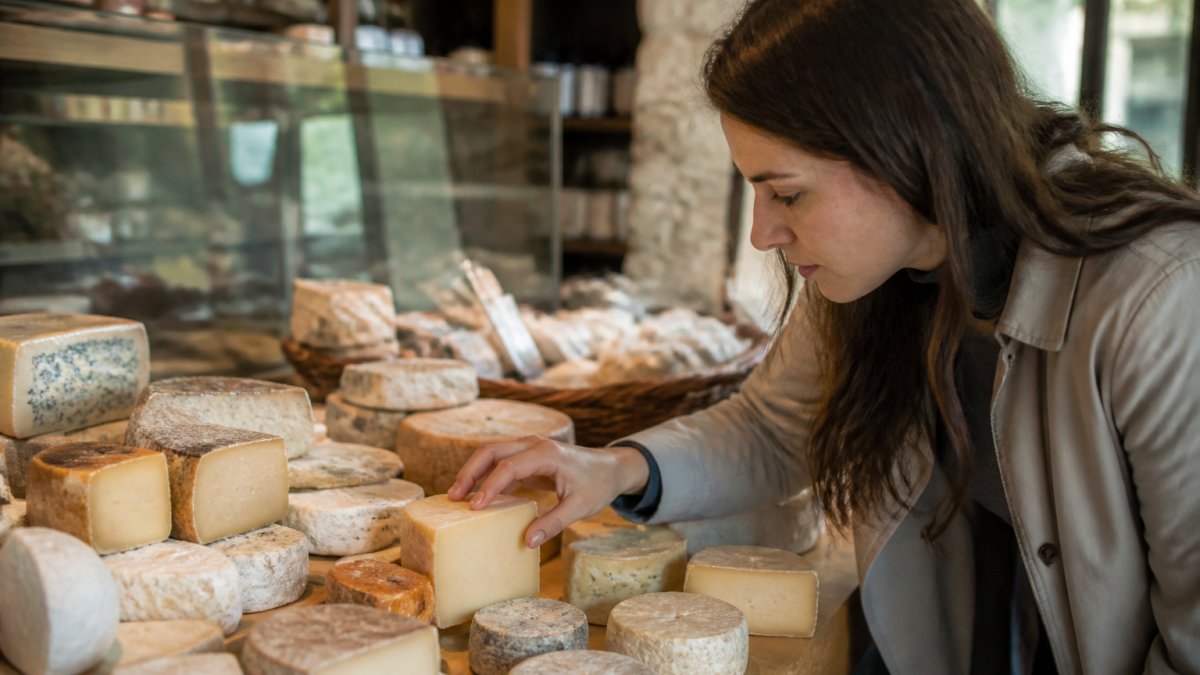
Start with the maker's identity. A cheesemaker who produces their own cheese controls quality from milk to rind. A reseller curates, which is a different skill. Neither is wrong, but you should know which you're buying.
Then check portion sizes. Half-pound portions let you actually cook with the cheese. Slivers look generous in photos and disappear in one sitting.
Finally, look for tasting notes and pairing suggestions. Good curators tell you why a cheese was chosen and what to serve with it.
| Criterion | Weak Box | Strong Box |
|---|---|---|
| Portions | Tasting slivers | Half-pound or full-size cuts |
| Sourcing | Unnamed creameries | Named artisan makers |
| Shipping | Standard mail | Insulated cold-chain |
| Guidance | None | Tasting notes and pairings |
| Flexibility | Annual lock-in | Pause or cancel anytime |
Cheese of the Month Club: What to Expect From Monthly Delivery
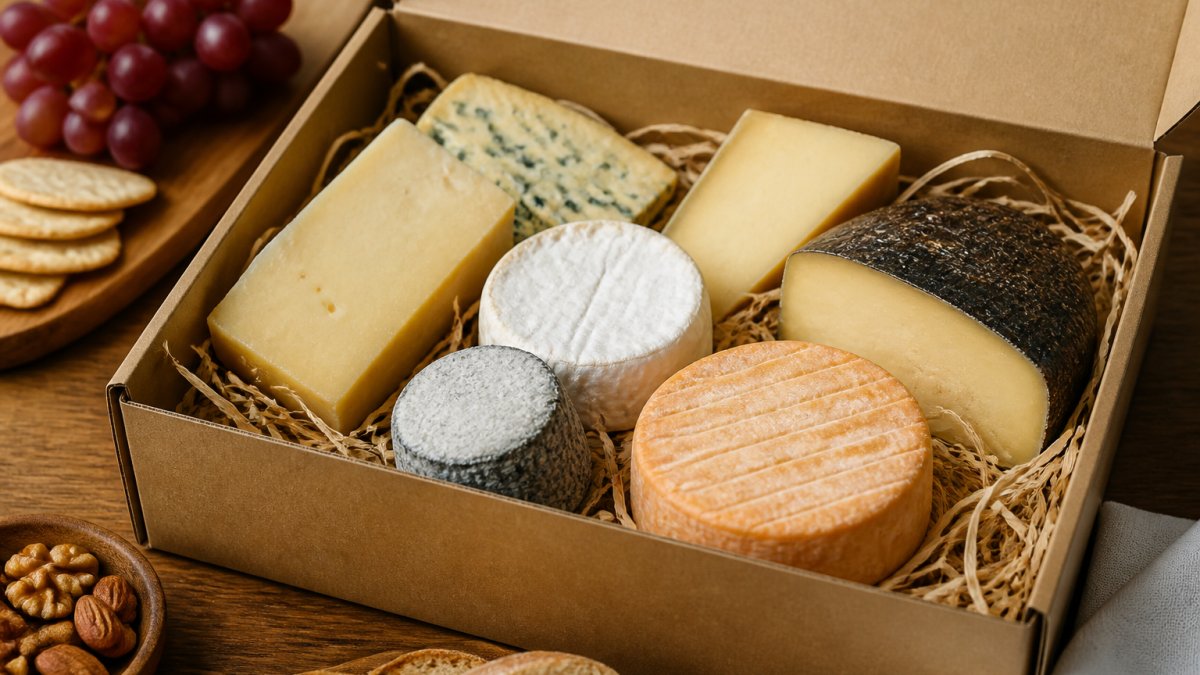
A cheese of the month club delivers a rotating selection on a fixed schedule, typically monthly, with each shipment built around a theme, a region, or a maker's seasonal output. Expect a mix of styles: a soft bloomy rind, a firm aged wedge, maybe a blue.
What Actually Shows Up
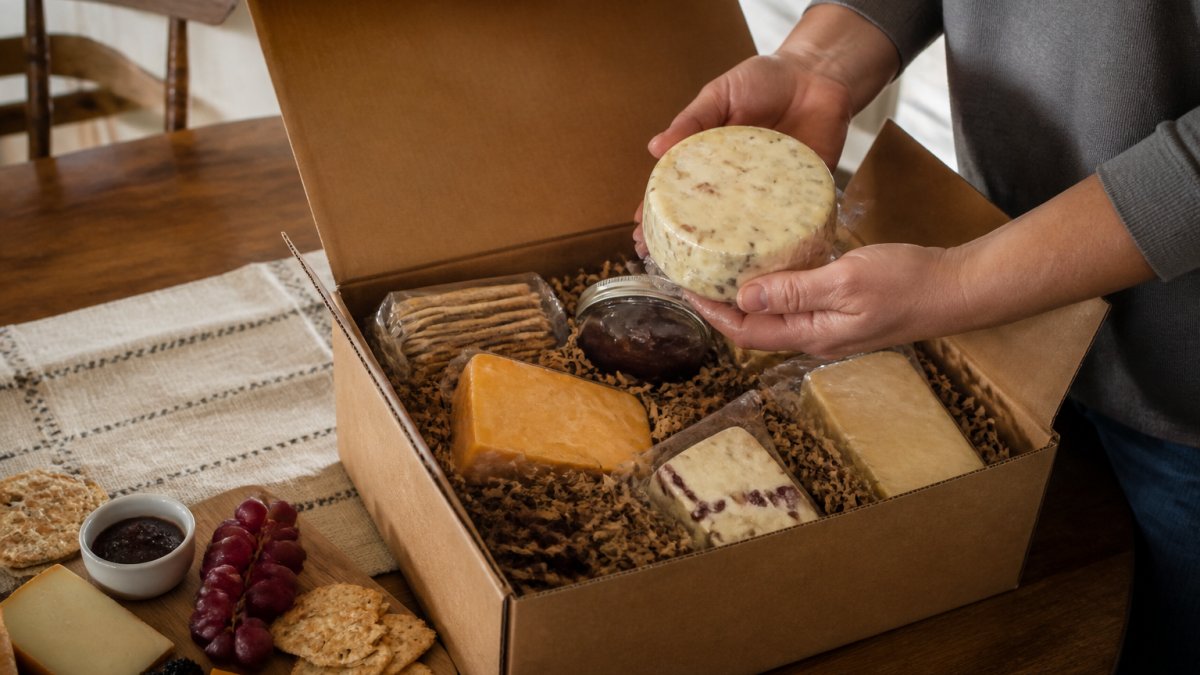
A typical monthly box contains three to five cheeses totaling roughly one to two pounds, a tasting card with origin and pairing notes, and sometimes a complimentary accompaniment like crackers, honey, or a spread. Charcuterie add-ons exist but vary widely by service. Portion format matters more than count: half-pound cuts let you cook and share, while tasting slivers are gone in one sitting.
Scheduling Mechanics
Monthly delivery suits most households. Every other month works better for singles or small households that can't finish a full box before the next one lands. Most services bill on a recurring cycle tied to your signup date, ship within a set window each period, and let you skip a month rather than cancel. Confirm three things before you commit: your billing date, the ship window, and whether you can pause without losing your place in a rotating selection.
Dietary Needs and Ingredient Transparency
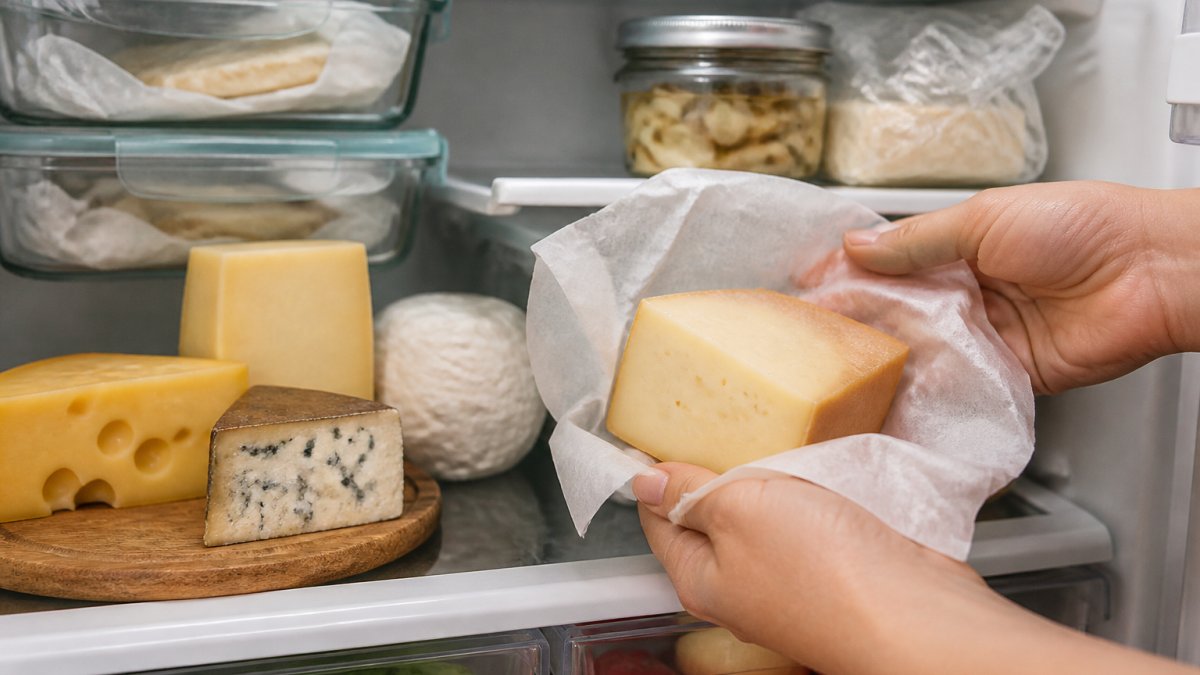
This is where most guides go quiet, and it's the question that decides whether a box works for your household. Cheese is made with rennet, and rennet comes in animal, microbial, and vegetable forms. If you avoid animal rennet, look for "microbial rennet" or "vegetable rennet" on the ingredient list, or ask the maker directly. For lactose-sensitive buyers, note that aged firm cheeses are naturally lower in lactose than fresh cheeses, and pasteurized-only requirements are usually stated on the label or the product page. If you have a milk allergy rather than a sensitivity, treat any shared-facility or cross-contact language as a hard stop and confirm with the maker before subscribing.
What matters more than the extras: whether the cheese arrives at the right temperature. More on that below.
Artisan Cheese Subscription: Why Small-Batch Matters
Small-batch production changes the cheese itself, not just the marketing. An artisan cheese subscription sources from makers who work in small volumes, which means seasonal variation, hand-turned wheels, and rinds that reflect a specific place.
That variation is the point. A mass-produced cheddar tastes the same in January and July. A farmhouse wheel doesn't, and that's what you're paying for.
The trade-off is consistency. If you want the exact same wedge every month, small-batch will frustrate you. If you want to taste what a specific season did to a specific herd's milk, nothing else comes close.
Look for named cheesemakers and aging times on the label. Both signal that someone made a decision rather than a batch.
International Cheese Subscription Box: Exploring Global Varieties
An international cheese subscription box widens the map, sending styles from Europe and beyond that you won't find in a typical grocery case.
The appeal is range. The catch is shipping. Imported cheeses travel farther, and cold-chain reliability matters even more when a box crosses an ocean.
Check whether the box names the country and the producer for each cheese. Vague origin labels ("European selection") tell you little.
Domestic and international boxes aren't competitors so much as different experiences. An international box is a tasting tour. (Source: guidelines for food shipping)
If you're new to a style, start domestic and branch out once you know what you like.
Cheese Subscription Gift: How to Give a Curated Monthly Box
A cheese subscription gift works best when it matches the recipient's palate, not your own.
Most services offer gift memberships with a card and a start date you choose. Some let the recipient pick their first box.
Practical details to confirm before buying: who handles shipping if the recipient is traveling, whether the gift renews automatically, and whether the recipient can swap a shipment they won't be home for.
For a foodie who already knows cheese, a maker-specific club beats a general one. For someone newer to it, a curated monthly box with tasting notes teaches as it feeds.
Pricing, Shipping, and Cold-Chain Reliability
Pricing for a cheese subscription depends on portion size, cheese styles, and delivery frequency, and it varies enough that we'd rather you check current rates than trust a generic number. What we can say: price per ounce is a better comparison than monthly price, because box sizes differ so much.
Comparing Total Cost, Not Headline Price
A $40 box and a $60 box aren't comparable until you do the math. Here's the framework that actually tells you which is the better value:
- Price per ounce of cheese. Divide the box price by the total cheese weight, not the box weight. A box padded with crackers and jam can look generous while delivering less cheese.
- Shipping, folded in. Some services include shipping; others add it at checkout. A lower box price with a separate shipping charge can cost more than a higher all-in price.
- Serving size per shipment. A one-pound box that lasts a week is a different value than a two-pound box that lasts a month, even at the same per-ounce price.
- Commitment terms. A month-to-month plan at a higher rate can beat a discounted annual plan if you'd otherwise pay for months you won't use.
Run the per-ounce number, add shipping, then divide by how many weeks the box actually feeds your household. That's your real cost.
How Cold-Chain Shipping Actually Works
Shipping is where cheap boxes cut corners. Cheese is perishable, and warm transit ruins texture fast. The mechanics matter:
- Insulation. Curbside-recyclable liners and molded pulp are common; heavier foam holds temperature longer but is harder to recycle.
- Coolant. Gel packs and dry ice are the two main options. Dry ice holds colder and longer but requires ventilation and can't ship by air in some cases.
- Transit time. Most services ship early in the week so the box doesn't sit in a warehouse over a weekend. A box that ships Thursday for a Monday arrival is a red flag.
- Delivery window and tracking. A trackable window lets you get the box inside quickly. A box left on a hot porch for hours is the most common cause of a ruined shipment.
Ask three questions before subscribing:
- What's the delivery window, and can you track it?
- What happens if a shipment arrives warm or damaged?
A maker who answers all three without hesitation is a maker who has thought about the last mile.
Cancellation, Pause, and Renewal Policies to Check
The policy section is the one most people skip, and it's the one that costs them money. Before you enter a card number, find three things in writing: the cancellation terms, the pause option, and the renewal date.
Cancellation terms vary from "anytime, effective immediately" to "30 days before your next billing date." Pause options let you skip a month without ending the membership, useful for travel or a fridge full of cheese.
Renewal is the quiet one. A gift membership that auto-renews becomes a charge the recipient didn't ask for. Check whether renewal is automatic and how far ahead you're notified.
| Policy | What to Look For | Why It Matters |
|---|---|---|
| Cancellation | Anytime, no fee | Avoids lock-in |
| Pause | Skip one or more months | Handles travel and overflow |
| Renewal | Clear notice before charge | Prevents surprise billing |
| Refunds | Stated window for spoilage | Protects a bad shipment |
If a service won't state its policy plainly, treat that as the answer.
Conclusion: Matching the Box to the Cheese Lover
The right cheese subscription box is the one that fits how you actually eat. A household that cooks with cheese weekly will finish a monthly box with half-pound portions. A solo snacker is better served by every-other-month delivery and smaller cuts.
Match the box to the person, not the marketing. If you want handmade, small-batch cheese with a maker's name on it, that's exactly what we do at Mozzarella Company: over forty varieties, handmade since 1982, using fresh milk and fine local ingredients.
Start with a short membership, taste a few shipments, and let the cheese make the argument.
Frequently Asked Questions
What should I look for in a cheese subscription box?
Check the cheese styles offered, portion sizes, delivery frequency, and shipping method. Look for clear cancellation terms, and whether the box includes accompaniments like crackers or spreads.
Which cheese subscription is best for gifting?
A cheese subscription gift works best when the recipient can choose their own start date and duration. Confirm whether the gift subscription auto-renews or ends after the chosen term so there are no surprise charges.
How often do cheese-of-the-month clubs deliver?
Most cheese of the month club options ship monthly. Monthly delivery gives you a steady supply of new varieties. Check the shipping schedule and whether you can pause or skip a month.
Do cheese subscription boxes include accompaniments?
Many curated monthly boxes include crackers, spreads, charcuterie, or honey to build a full tasting experience. Some focus only on cheese and let you add pairings separately. Check the box contents description before subscribing so you know exactly what arrives.
Choosing a cheese subscription is easy once you know what to check: portions, cold-chain shipping, and a cancellation policy you can live with. Mozzarella Company has been making award-winning, handmade cheese since 1982, with over forty varieties crafted by hand from fresh milk and fine local ingredients. If you want a curated monthly box built on real craft rather than filler, get started with Mozzarella Company and taste the difference small-batch makes.
Checkout »