 Comparison
7 Reasons Artisanal Cheese Is Worth the Price
Last Updated: October 26, 2026
Quick Summary
Artisanal cheese is worth it when the cheese is the point of the dish or the moment, and not worth it when the cheese is background. Think in servings rather than pounds: a pound stretches across roughly sixteen one-ounce servings on a cheese board. You are paying mostly for labor, time, and a maker's judgment, not packaging.
- Artisan-only cheesemakers made up 19% of respondents in a specialty cheese market report.
- Divide the cost by the people and occasions it serves before deciding it is too expensive.
- Most guides suggest about one ounce of each cheese per guest for three to five varieties.
- Start a tasting with the mildest cheese and work toward the strongest so your palate is not overwhelmed.
- A well-made artisan cheese usually lists milk, salt, cultures, and rennet, and not much else.
Table of Contents
- What Is Artisan Cheese, and Why Does It Cost More?
- Artisanal Cheese vs Mass-Produced Cheese: The Real Differences
- When Artisanal Cheese Is Worth It, and When It Isn't
- How to Taste Artisanal Cheese Like a Cheesemaker
- How to Judge Quality Before You Buy
- Artisanal Cheese Pairings That Make the Premium Pay Off
- Build Your Own Tasting Board From Our Best Sellers
- Frequently Asked Questions
What Is Artisan Cheese, and Why Does It Cost More?
Artisan cheese is cheese made by hand in small batches, where a cheesemaker controls each step from milk to finished wheel. That hands-on control is the core reason is artisanal cheese worth it remains such a fair question.
Specialty cheese is a real economic force. A Vermont Agency of Agriculture specialty cheese market report notes that artisan-only cheesemakers made up 19% of respondents and cites Nielsen's estimate that the specialty cheese industry was worth $4.2 billion.
The Hands Behind Every Wheel
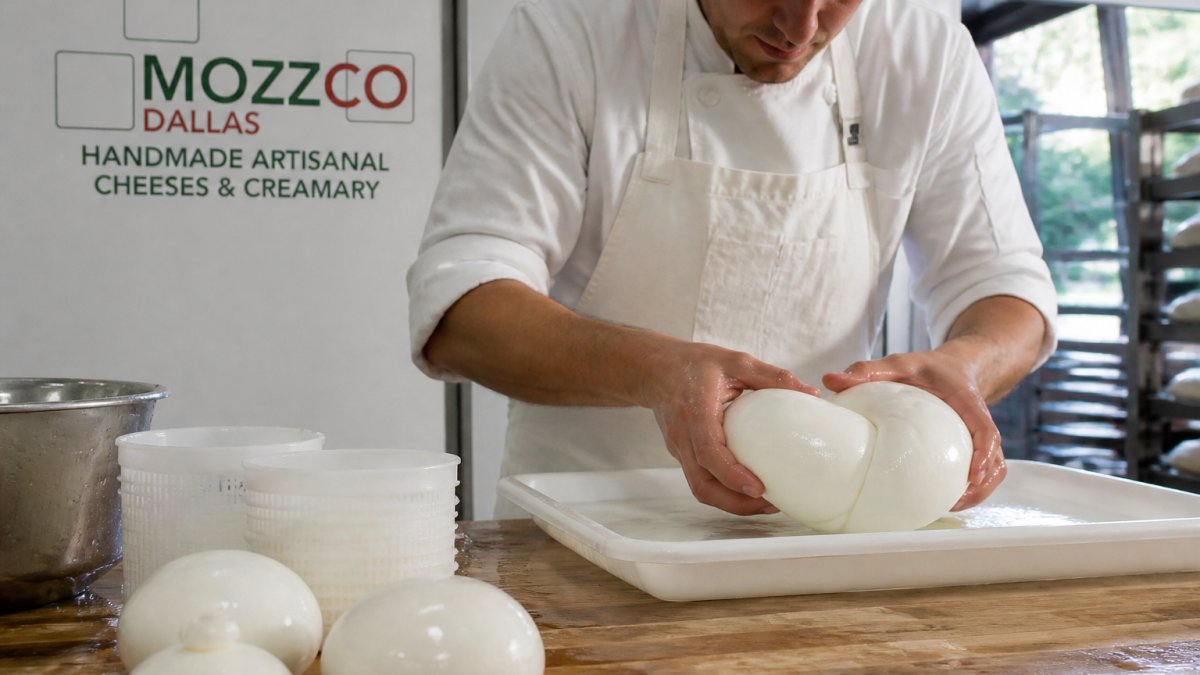
Every wheel passes through human hands more than once. Someone stirs the curd, cuts it, hoists it, turns it, brushes it, and decides when it is ready.
A Journal of Dairy Science survey of 61 artisan cheesemakers on American artisan cheese quality and spoilage found that small producers manage real quality risks along the way.
If you want to see how much work sits behind a single wheel, our guide to the traditional handmade cheese making process walks through it step by step.
Where the Money Actually Goes
Most of the premium goes to time and attention, not to fancy packaging. A cheesemaker's day starts early, the vat cannot be rushed, and the aging room cannot be hurried. When a batch does not meet the standard, it does not ship.
A chapter from eCampusOntario's Food Studies course reports that people in two research studies expressed higher liking and more positive experiences when they were given specific stories about the food. That is not a gimmick. It explains why a cheese with a named maker and a known method tastes different to you than an anonymous block.
Artisanal Cheese vs Mass-Produced Cheese: The Real Differences
The clearest difference is who makes the decisions. In mass-produced cheese, the goal is consistency at volume, so the process is standardized and the milk is pooled from many sources.
That shows up on the plate in three ways:
- Flavor: small-batch cheese shifts with the season and the batch, so flavors are more layered and less uniform.
- Texture: handmade cheeses vary from creamy to firm in ways a factory blend smooths out.
- Aroma and color: both follow the milk and the aging, not a target specification.
A 2025 study in Agriculture and Human Values on producer sentiments looked at how producers express the felt value of artisanal cheeses.
None of this makes mass-produced cheese bad. It makes it different. Supermarket cheddar is reliable, affordable, and built to melt the same way every time.
When Artisanal Cheese Is Worth It, and When It Isn't
Here is our honest answer: artisanal cheese is worth it when the cheese is the point of the dish or the moment, and it is not worth it when the cheese is background. The trick is to stop comparing price per pound and start comparing price per serving, and to weigh what you are actually buying with that premium.
Think in Servings, Not Pounds
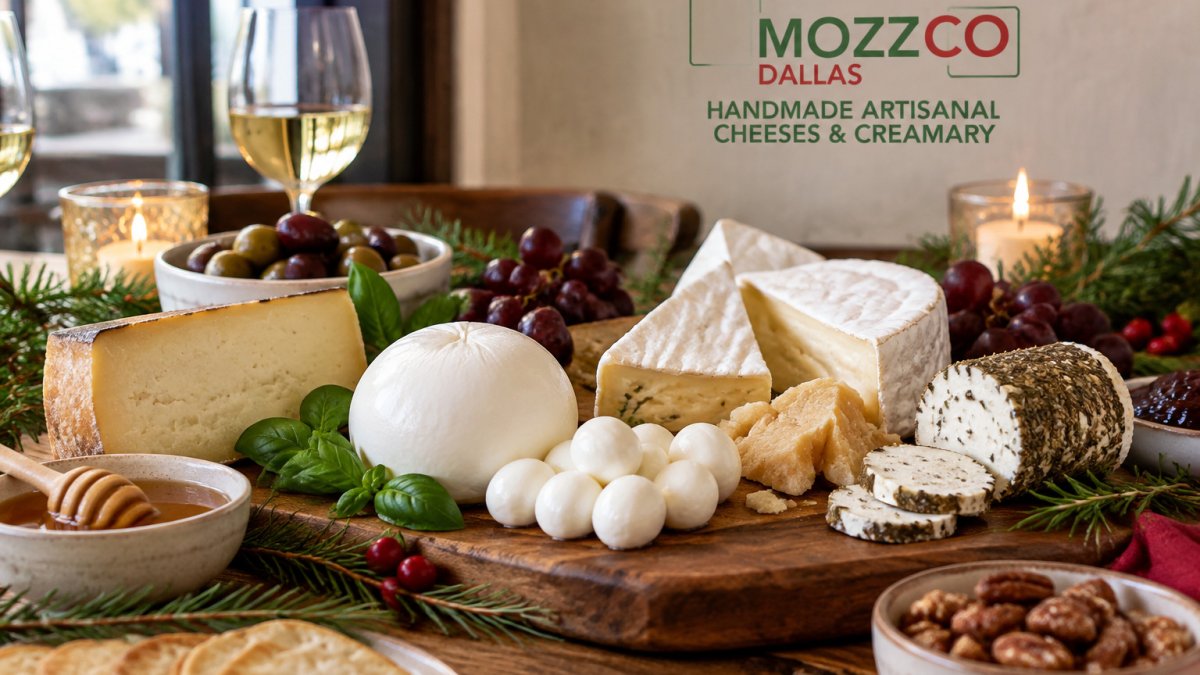
A cheese board serving is small. Most guides suggest about one ounce of each cheese per guest when you are offering three to five varieties, so a pound of artisan cheese stretches across roughly sixteen servings.
A few practical ways to think about the premium:
- Per-guest cost: a modest amount of a well-chosen artisan cheese, served with bread, fruit, and something acidic, feeds a crowd more affordably than buying a large volume of a bland block nobody remembers.
- Per-occasion cost: if the cheese anchors a birthday, a holiday, or a gift, the premium is spread across the memory, not just the plate.
- Per-use cost: a cheese you will eat over several sittings is a different purchase than one you will finish in a single recipe.
We do not quote prices here, but the principle holds: divide the cost by the number of people and occasions it serves before you decide it is too expensive.
When the Premium Pays Off
Worth the premium:
- A cheese board for a special occasion, where guests will actually look at what they are eating
- A dish built around one cheese, like a fresh mozzarella plate with good tomatoes and oil
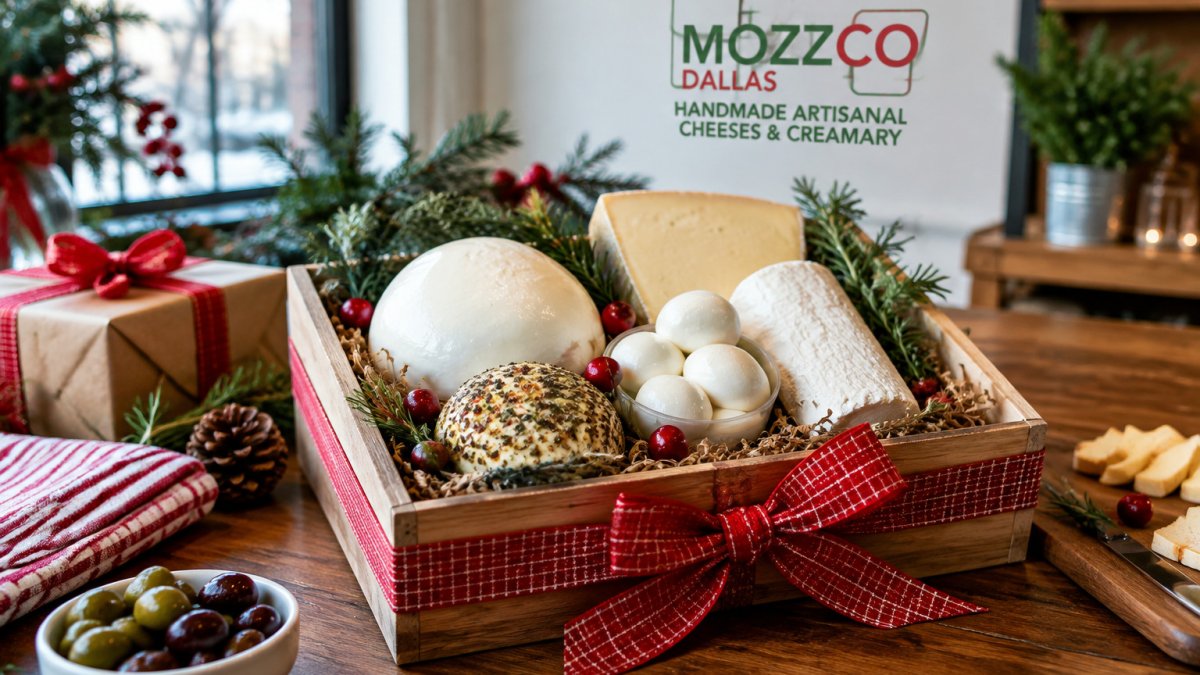
- A gift, where the story and the craft carry as much weight as the flavor
When It Doesn't
Not worth it:
- A casserole or a heavy sauce where the cheese disappears into the mix
- A large party where volume matters more than nuance
- Any purchase where you will not eat it within a reasonable window
The Trade-Offs Behind the Price
A few honest trade-offs shape whether the premium is worth it to you:
- Labor vs. volume: handmade cheese is made in small batches by people who adjust as the milk changes. That labor does not scale the way a factory line does, and it is the single biggest reason the price runs higher.
- Consistency vs. character: mass-produced cheese is built to taste the same every time. Artisan cheese is built to taste like something specific, which means it can vary from batch to batch. If you want predictability, the premium may not pay off for you.
- Story vs. substance: a named maker and a known method can genuinely change how a cheese tastes to you, but only if the cheese itself is good. Buy for the flavor first and the story second.
Culture: The Word on Cheese makes a fair point in its explanation of why artisan cheese is expensive: handmade cheese prices run higher than many imported and industrial versions, and a handmade cheese rarely truly reflects its cost.
If you want to see the craft firsthand before committing, our cheese-making classes put you at the vat on a Saturday and show you exactly where the effort goes.
Here is the honest split between when the premium pays off and when it does not.
| Situation | Worth the premium? | Why |
|---|---|---|
| Cheese board for a special occasion | Yes | Guests will look at what they eat |
| Dish built around one cheese | Yes | The cheese is the point |
| Gift | Yes | Story and craft carry weight |
| Tasting several styles side by side | Yes | Comparison is the purpose |
| Centerpiece served over several days | Yes | Cost spread across servings |
| Casserole or heavy sauce | No | Cheese disappears into the mix |
| Large party where volume matters | No | Nuance is lost on the crowd |
| Recipe needing melt-and-stretch workhorse | No | A star cheese is wasted |
How to Taste Artisanal Cheese Like a Cheesemaker
Start with the mildest cheese and work toward the strongest. That single rule prevents your palate from being overwhelmed before you reach the delicate ones.
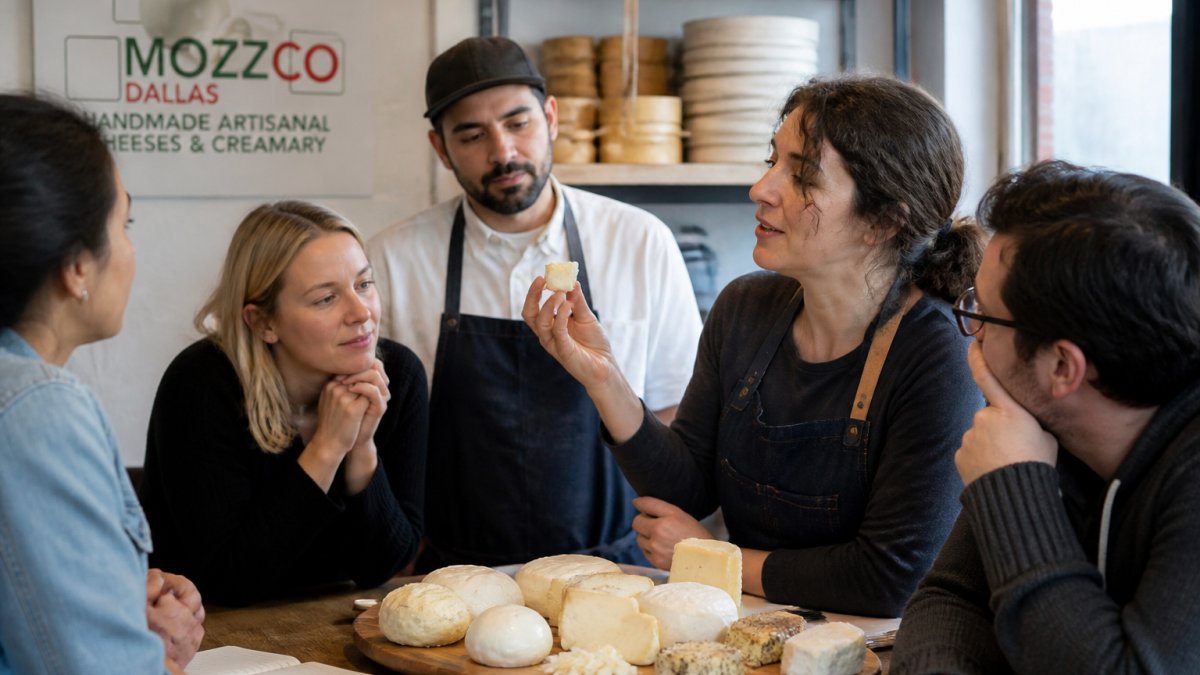
Let the cheese sit out for a short while before tasting. Cold mutes aroma, and aroma is most of flavor. Then taste in this order:
- Look: note the color and whether the rind looks clean and intact.
- Smell: take a short sniff, then a deeper one.
- Taste: let it sit on your tongue before chewing.
- Notice the finish: how long does the flavor stay with you?
A Simple Tasting Order That Works
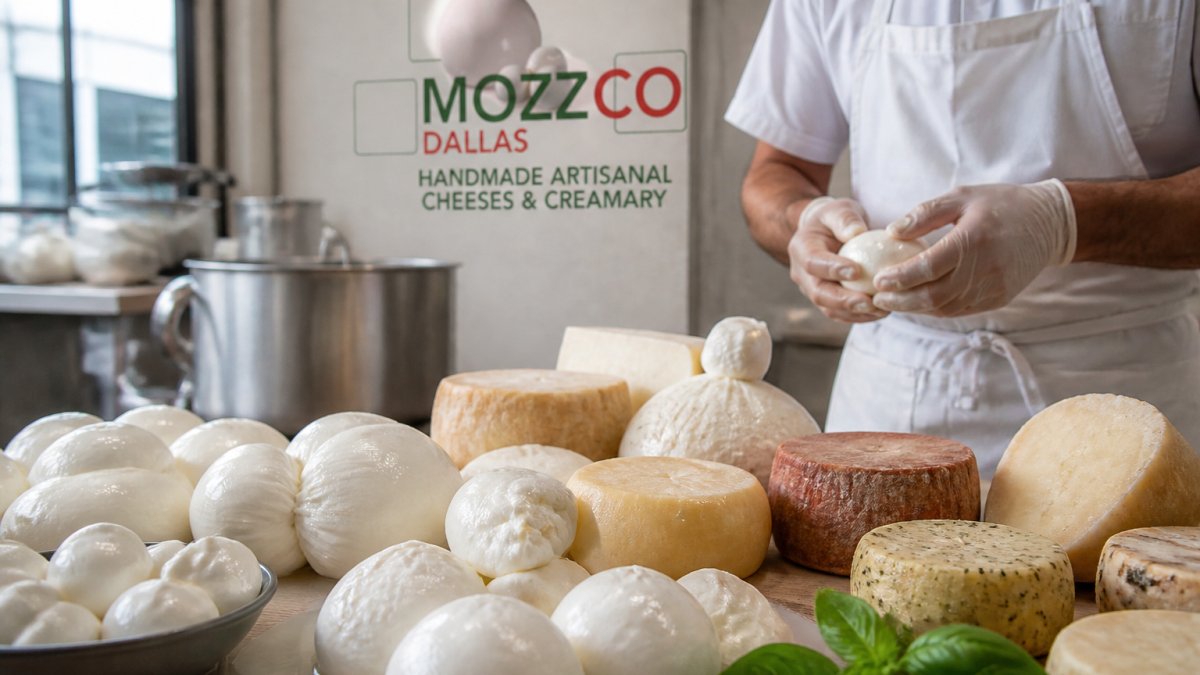
Go fresh to aged, soft to firm, mild to bold. A fresh mozzarella or burrata first, then a soft goat cheese, then a caciotta, then your boldest selection. Clean your palate with plain bread or water between cheeses, not crackers with seasoning.
Our complete guide to pairing cheese with wine gives you a fuller map if you are planning a tasting at home.
How to Judge Quality Before You Buy
Ask three questions before you spend the premium: who made it, how fresh is it, and what does it smell like? Then go a level deeper, the label, the rind, and the storage tell you most of what you need to know.
Read the Label Like a Cheesemaker
- Ingredients: a well-made artisan cheese usually lists milk, salt, cultures, and rennet, and not much else. Long ingredient lists with gums, starches, or added colors are a sign you are looking at a more processed product.
- Milk type and treatment: the label should tell you what milk was used and whether it was pasteurized. Fresh cheeses like mozzarella and burrata are typically made from pasteurized milk, which is a food-safety plus for many shoppers. Aged cheeses may be made from raw or pasteurized milk; if raw-milk cheese matters to you, look for it stated clearly.
- Maker and place: a named maker and a named place are a good sign. Anonymous blocks tell you nothing about who adjusted the batch.
Judge With Your Senses
At a counter or market, you can usually taste before buying. Take that offer. A good cheesemaker wants you to taste, because the cheese sells itself.
- Look: a clean, intact rind; a fresh cheese that looks and feels fresh, not tired or weeping excessively.
- Smell: a fresh dairy smell that matches the style. Ammonia or a sour, off note is a warning sign.
- Touch: the texture should match the style, creamy where it should be creamy, firm where it should be firm.
Store It Right So the Premium Pays Off
- Keep fresh cheeses cold and eat them within their short window.
- Wrap cheese so it can breathe a little rather than sealing it tight in plastic, which can trap moisture and encourage off flavors.
- Bring cheese to room temperature shortly before serving for the best flavor.
For a deeper walkthrough of styles and what to look for, our buyer's guide to choosing artisanal cheese covers the questions to ask.
Artisanal Cheese Pairings That Make the Premium Pay Off
Pairings are how a modest amount of good cheese feeds a whole table. A little fresh mozzarella with ripe tomatoes, basil, and good olive oil turns into a plate people remember. A tangy goat cheese with honey and toasted bread does the same.
Keep these rules in mind:
- Match intensity to intensity: delicate cheese with delicate partners
- Use acid, like fruit or a squeeze of lemon, to cut richness
- Let one cheese be the star per plate rather than crowding five together
The premium pays off most when the cheese is not buried. A single well-chosen wheel, served with care, beats a crowded board every time.
Build Your Own Tasting Board From Our Best Sellers
You do not need forty varieties to build a great board. Start with a small, confident set and let the quality do the work.
We would build it this way:
- A fresh mozzarella for the center of the plate
- A burrata for the creamy, show-stopping element
- A caciotta for a firmer, sliceable option
That is four cheeses, one board, and a range of flavors that covers most guests. If you would rather skip the choosing, browse our best-selling cheeses and start there. And if the board is a gift, our cheese gift baskets ship the whole experience.
Frequently Asked Questions
How is artisanal cheese different from mass-produced cheese?
Artisanal cheese is made in small batches by hand, with the maker adjusting to each batch of milk, while mass-produced cheese follows a fixed, automated recipe built for consistency and shelf life. A survey of 61 U.S. artisan cheesemakers in the Journal of Dairy Science (2021) looked at spoilage and quality issues in artisan production, which shows the trade-off: handmade cheese carries more variability because a person, not a machine, is making the calls. That variability is also where the flavor comes from.
How can you tell if a cheese is high quality?
Ask to taste before buying, then pay attention to aroma, texture, and how long the flavor stays with you. A quality artisan cheese smells clean and specific to its style, has a texture that matches what it promises (creamy, flaky, springy), and finishes with flavor rather than fading flat. The Food Studies chapter from eCampusOntario notes that people report higher liking and more positive experiences when they're given the specific story behind a food, so ask the maker or shop staff where it came from.
Is artisanal cheese better for special occasions or everyday meals?
Both, but the economics differ. For a cheese board or a dinner where the cheese is the centerpiece, the extra cost of artisanal cheese is easy to justify because the flavor carries the course. For everyday cooking where cheese melts into a sauce or gets buried in a sandwich, a simpler cheese does the job. A Culture: The Word on Cheese piece points out that handmade cheese prices run higher than many imported and industrial versions, so spend the premium where you'll actually taste it.
What foods pair well with artisanal cheese?
Match intensity to intensity. Fresh cheeses like mozzarella and burrata want ripe tomatoes, good olive oil, and crusty bread. Aged and tangy varieties hold up to honey, fig jam, toasted nuts, and cured meat. For drinks, sparkling wine and crisp cider cut through creamy cheeses, while a light red works with firmer, nuttier styles. Build a board with three to five cheeses that move from mild to bold, and let each one have a pairing that doesn't compete with it.
Choosing well takes a little practice, and the fastest way to learn is to taste with someone who makes the cheese. Mozzarella Company has been hand-making cheese in Dallas since 1982, with more than forty varieties, public classes on Saturdays and private group classes on Wednesdays. Start with our best sellers, book a class, or send a gift basket, and taste the difference that hands make. Get started with Mozzarella Company and build a board worth sharing.